
Categories
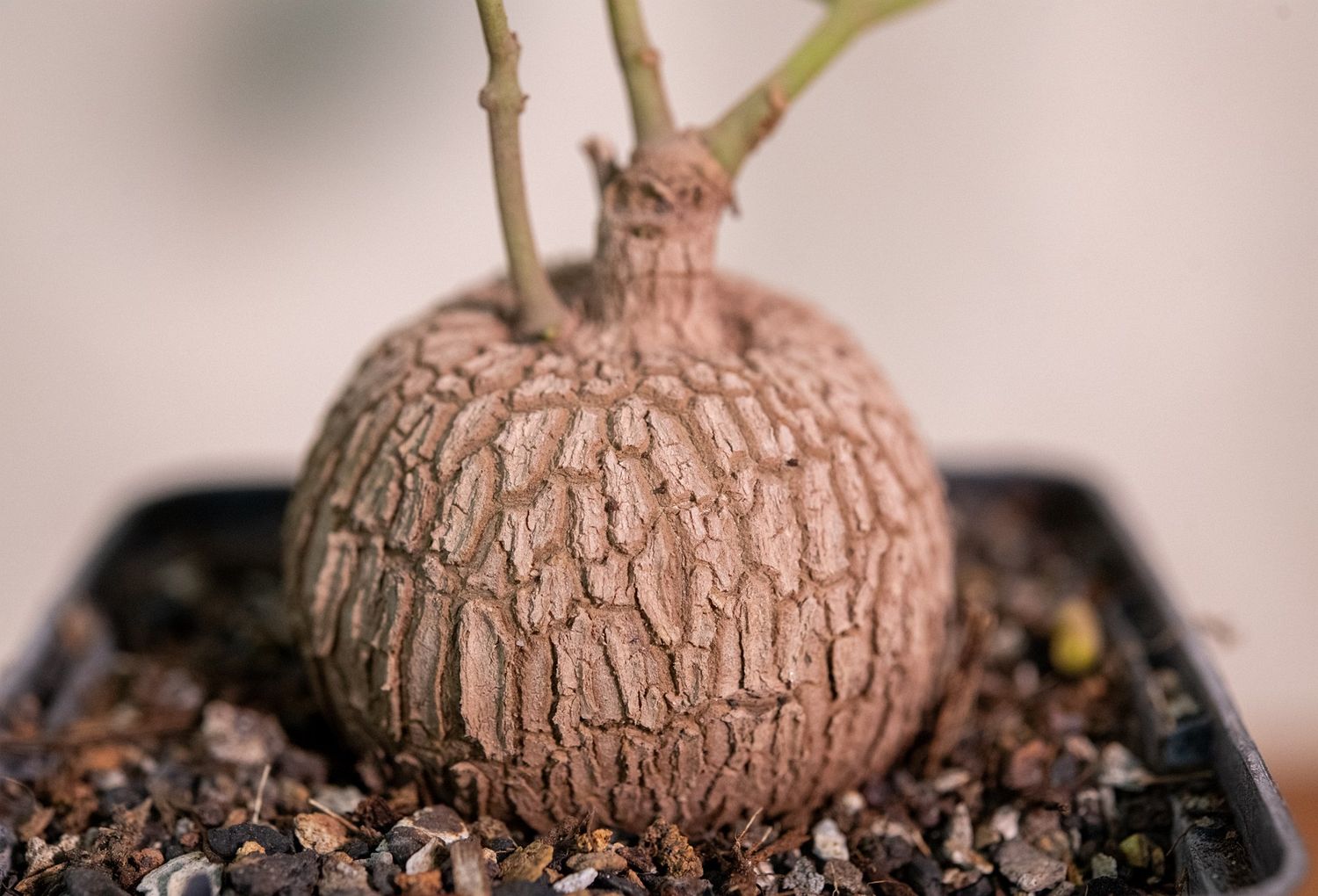
Stephania suberosa
SKU PA065
₹2 750.00
In stock: 1 available
1
Save this product for later
Customer reviews
Reviews only from verified customers
No reviews yet. You can buy this product and be the first to leave a review.
Stephania suberosa
Product Details
Same plant as shown will be sent.
Etymology
The genus name "Stephania" is derived from the Greek name "Stephanos," meaning "crown," which refers to the plant's crown-like appearance in its growth habit. The species name "suberosa" is derived from the Latin word "suber," meaning "cork," which describes the plant’s distinctive, cork-like tuber that can develop at the base of its stem. This name highlights the plant's unique morphological characteristics, specifically its thickened, water-storing tuber that aids in drought resilience.
Synonyms
Stephania suberosa may have various synonyms due to taxonomic updates. Some alternative classifications may include "Stephania erecta" or "Stephania densiflora." The naming and classification can vary, reflecting historical taxonomic practices and the evolving understanding of plant relationships.
Origin
Stephania suberosa is native to the tropical regions of Southeast Asia, particularly found in countries such as Thailand, Malaysia, and Indonesia. It typically inhabits forested areas and lowland habitats, often thriving in well-drained, nutrient-rich soils that retain some moisture, allowing it to flourish in warm, humid environments.
Description
Stephania suberosa is a perennial vine known for its unique growth form and striking appearance. The plant features a large, corky tuber that can reach diameters of 3 to 6 inches (7.5 to 15 cm), serving as a water reservoir to help the plant withstand dry periods. From this tuber, long, slender vines emerge, which can grow several feet in length. The leaves are heart-shaped or kidney-shaped, glossy, and typically dark green, creating a lush canopy. In the right conditions, the plant produces small, inconspicuous flowers, which are often white or creamy, but Stephania suberosa is mainly cultivated for its attractive foliage and unique structural form.
Conservation Status
Currently, Stephania suberosa is not classified as endangered, but it may face threats from habitat loss due to deforestation and agricultural expansion in its native regions. Conservation efforts are essential to protect its natural habitats and promote sustainable practices that support biodiversity.
Care Instructions
Stephania suberosa is a fascinating and visually appealing plant that can be cultivated successfully with the proper care. Here are guidelines for maintaining this unique species:
- Light: Prefers bright, indirect sunlight. While it can tolerate some direct sunlight, too much exposure can scorch the leaves, so filtered light is ideal.
- Water: Water consistently, keeping the soil slightly moist but not waterlogged. Allow the top layer of soil to dry out between waterings, especially in winter when the plant may enter a dormant phase.
- Soil: Use a well-draining potting mix enriched with organic matter, such as peat or compost, to mimic its natural habitat and ensure adequate moisture retention.
- Temperature: Thrives in warm conditions, ideally between 70°F to 85°F (21°C to 29°C). It should be protected from cold drafts and temperatures below 50°F (10°C).
- Humidity: Prefers higher humidity levels, reflecting its tropical origins. Providing a humid environment or misting the leaves can promote healthy growth.
- Fertilization: Feed with a balanced, diluted fertilizer every 4 to 6 weeks during the growing season (spring and summer) to support healthy vine and leaf development.
Display prices in:INR
