
Categories
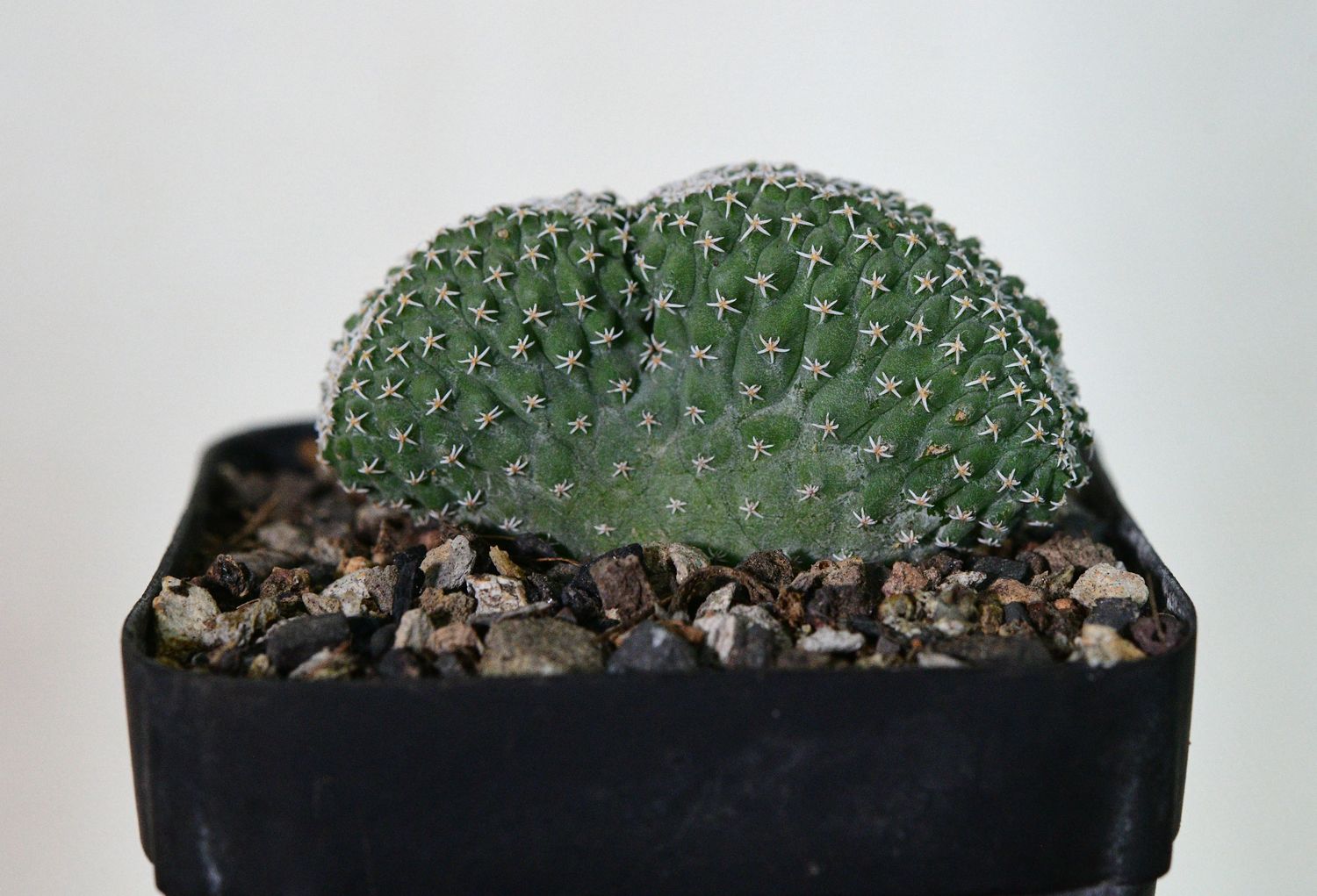
Strombocactus disciformis crest
SKU SB002
₹1 950.00
In stock: 1 available
1
Save this product for later
Customer reviews
Reviews only from verified customers
No reviews yet. You can buy this product and be the first to leave a review.
Strombocactus disciformis crest
Product Details
Select your own from the drop down !
Architectural Rarity: Strombocactus disciformis f. cristata
A sculptural masterpiece featuring the prized 'crest' mutation that transforms this slow-growing gem into a living work of art.
- Origin & History of Name: The genus name Strombocactus stems from the Greek strombos, meaning "pinecone" or "top," referencing the plant’s spiral-like tubercular arrangement.
The specific epithet disciformis is Latin for "disk-shaped." It was first described by the British botanist Adrian Hardy Haworth in the early 19th century, though its classification shifted through several genera before settling as a monotypic genus. - Morphology: This specimen exhibits fasciation, a mutation where the growing point expands into a fan-like crest rather than a single apex. The epidermis is a distinct grey-green to glaucous blue, covered in overlapping, scale-like tubercles (small bumps) instead of traditional ribs. Because it is a crest, the areoles form a continuous woolly line along the undulating ridge, occasionally producing tiny, cream-colored flowers.
- Habitat & Origin: The base species is a wild species endemic to the limestone cliffs of Querétaro and Hidalgo, Mexico.
However, the crested form is an extremely rare cultivar variation maintained through grafting or careful seed selection. Our plants are nursery-propagated, ensuring the protection of this CITES-protected species in its fragile native habitat. - Cultivation Profile:
- Substrate: Use a 100% mineral-based mix (fine gravel, crushed brick, and pumice). Avoid all peat or moss, as this species is highly prone to rot in the humid Indian climate.
- Light: Requires bright, filtered light. In India, protect from direct afternoon sun (especially in April–June) to prevent the delicate grey epidermis from burning.
- Water/Dormancy: Extremely sensitive to overwatering.
Water only during the peak growing season (July–September) and keep completely dry during the winter and the height of the monsoon to prevent fungal infections.
- Scientific/Historical Anecdote: Strombocactus disciformis is one of the slowest-growing cacti in the world, often taking decades to reach just a few inches in diameter. In its native Mexico, it grows almost exclusively on vertical gypsum cliffs, where it shrinks into the rock crevices during droughts to hide from the sun—a biological feat known as "geophytic" behavior.
You May Also Like
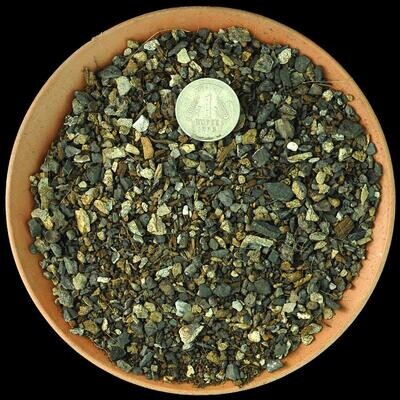
FORTIFIED Cactus & Succulent SOIL (COARSE)
FORTIFIED Cactus & Succulent SOIL (COARSE)
SKU MNS004
5.0
(12)
₹54.85
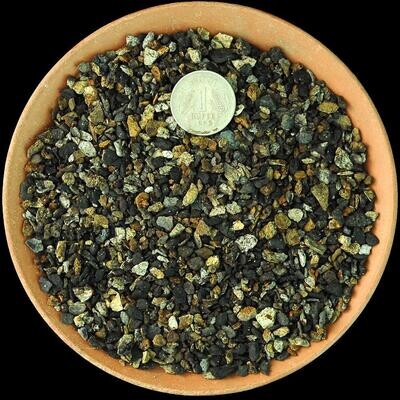
Cactus & Succulent Planting Mix COARSE (aka Cactus Soil Mix or Succulent Soil Mix)
Cactus & Succulent Planting Mix COARSE (aka Cactus Soil Mix or Succulent Soil Mix)
Washed, Free-Draining Mineral Mix for Cactus & Succulents
SKU MNS003
5.0
(1)
₹44.85
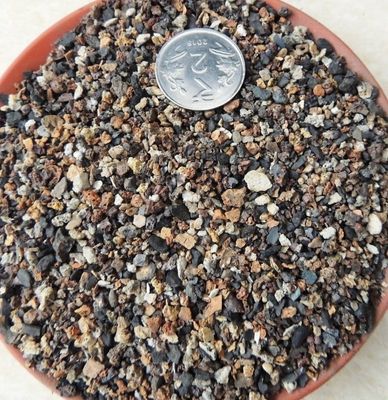
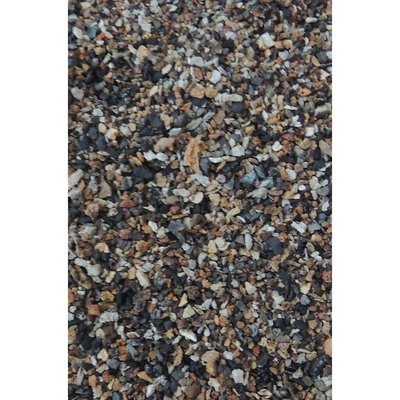
Cactus & Succulent Planting Mix FINE (aka Cactus Soil Mix or Succulent Soil Mix)
Cactus & Succulent Planting Mix FINE (aka Cactus Soil Mix or Succulent Soil Mix)
Fine-Grain Potting Mix for Cactus & Succulent Roots
SKU MNS001
5.0
(3)
₹39.85
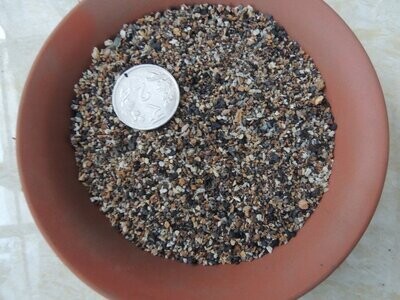
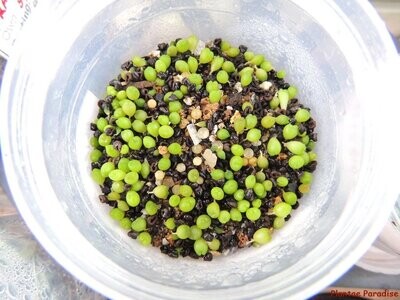
Cactus Seed Planting Mix
Cactus Seed Planting Mix
Sterile, Fine-Grain Media for Cactus & Succulent Seeds
SKU MNS005
₹74.85
Display prices in:INR
