
Categories
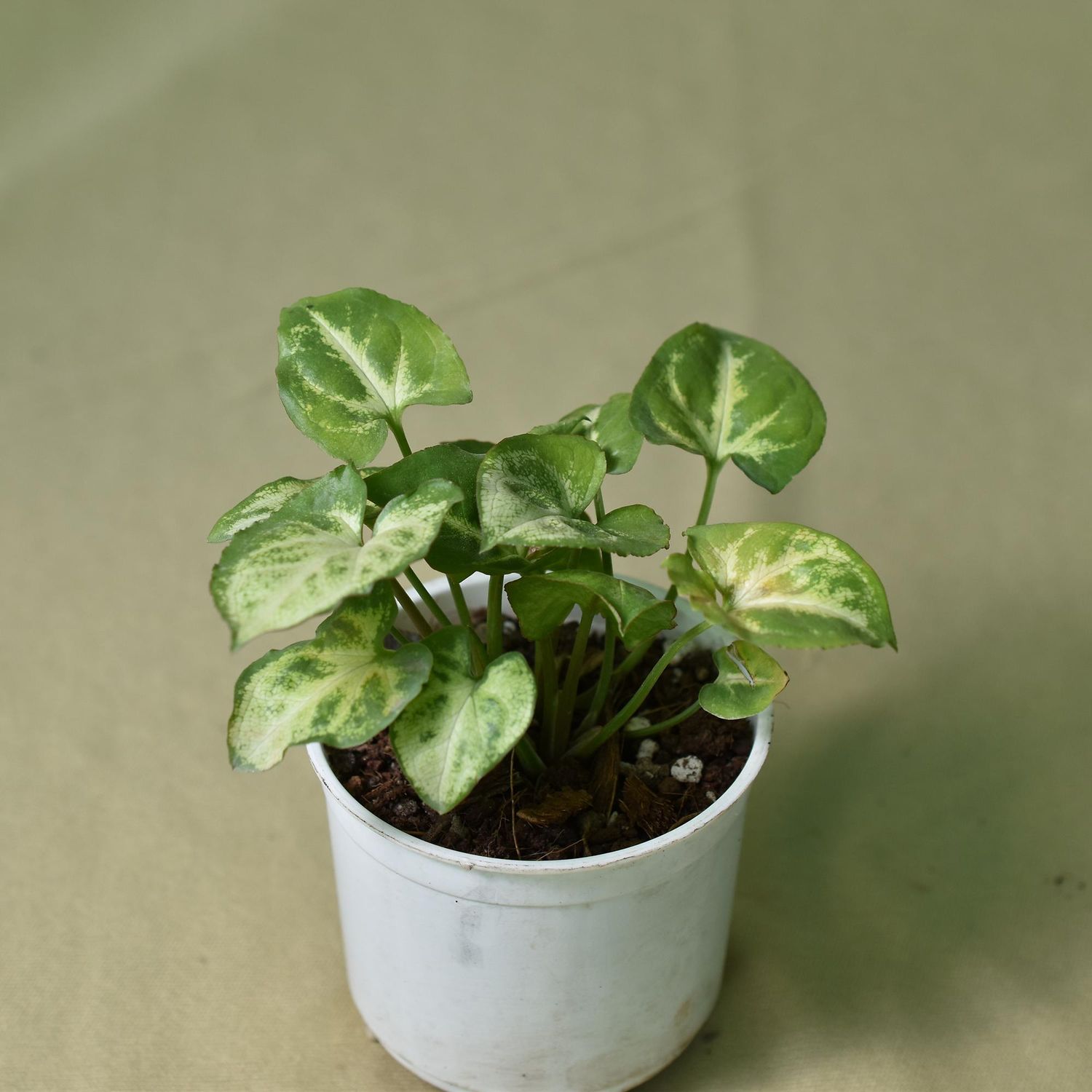
Syngonium small leaf Green
SKU GG006
₹76.50
On Sale
List Price ₹90.00 Save 15%
Brighten your indoor space with an easy-care Syngonium featuring lush green foliage and compact growth.
In stock: 11 available
1
Save this product for later
Customer reviews
Reviews only from verified customers
No reviews yet. You can buy this product and be the first to leave a review.
Syngonium small leaf Green
Product Details
Compact Elegance: Syngonium podophyllum 'Small Leaf Green'
A versatile, miniature aroid perfect for tight spaces, prized for its dense clustering habit and vibrant emerald foliage.
- Origin & History of Name: The genus name Syngonium is derived from the Greek words syn (together) and gone (womb), referring to the fused ovaries of the female flowers.
The specific epithet podophyllum translates to "foot-leaf," describing the pedate (foot-like) shape the leaves develop as the plant reaches maturity. - Morphology: This specific variety is characterized by its persistent juvenile foliage, maintaining small, heart-shaped leaves rather than transitioning to large lobed forms. The lamina (leaf blade) features a waxy epidermis with deep green saturation and prominent midribs. Unlike trailing varieties, this cultivar grows in a tight, bushy clumping habit with short internodes.
- Habitat & Origin: While the parent species is native to tropical rainforests from Mexico to Brazil, this "Small Leaf" version is a horticultural cultivar selected specifically for the nursery trade. It is bred for compact indoor growth and is propagated sustainably via tissue culture or stem cuttings, reducing the impact on wild populations.
- Cultivation Profile:
- Substrate: Use a highly porous, chunky mix consisting of coco-chips, perlite, and leaf mold to ensure aeration.
- Light: Thrives in bright, indirect light; in the Indian context, keep away from direct afternoon sun (especially in May-June) to prevent leaf scorch.
- Water/Dormancy: Keep the medium evenly moist but not waterlogged; reduce watering during the cooler winter months in Northern India when growth naturally slows.
- Scientific/Historical Anecdote: Syngoniums are famous for their heteroblastic growth, meaning they radically change their leaf shape as they climb. While the "Small Leaf Green" is bred to stay in its "infant" form, in the wild, these plants can climb 60 feet into the canopy, eventually growing leaves that look entirely different from the ones in your pot.
You May Also Like
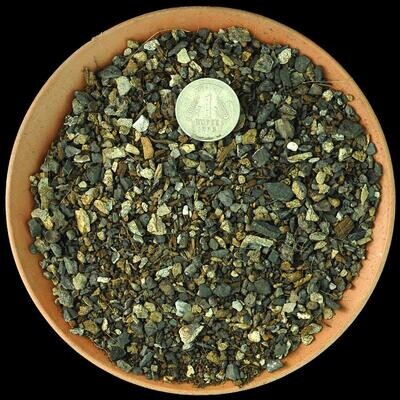
FORTIFIED Cactus & Succulent SOIL (COARSE)
FORTIFIED Cactus & Succulent SOIL (COARSE)
SKU MNS004
5.0
(11)
₹54.85
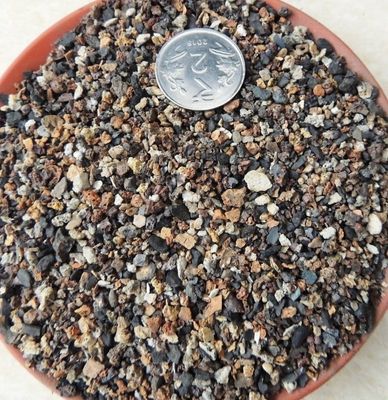
Cactus & Succulent Planting Mix FINE (aka Cactus Soil Mix or Succulent Soil Mix)
Cactus & Succulent Planting Mix FINE (aka Cactus Soil Mix or Succulent Soil Mix)
Fine-Grain Potting Mix for Cactus & Succulent Roots
SKU MNS001
5.0
(3)
₹39.85
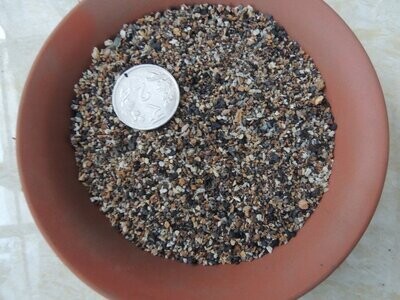
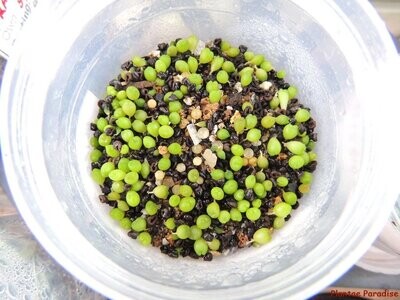
Cactus Seed Planting Mix
Cactus Seed Planting Mix
Sterile, Fine-Grain Media for Cactus & Succulent Seeds
SKU MNS005
₹74.85
New
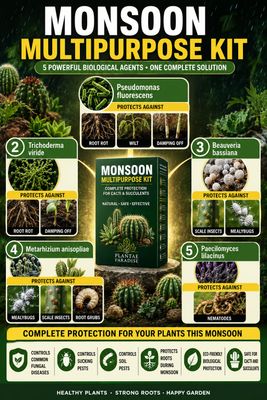
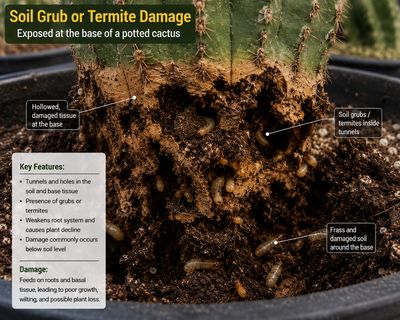
Monsoon Guardian Kit (5 in 1)
Monsoon Guardian Kit (5 in 1)
Complete 5-in-1 biological protection kit for cacti & succulents
SKU MNS024
₹850.00
Display prices in:INR
