
Categories
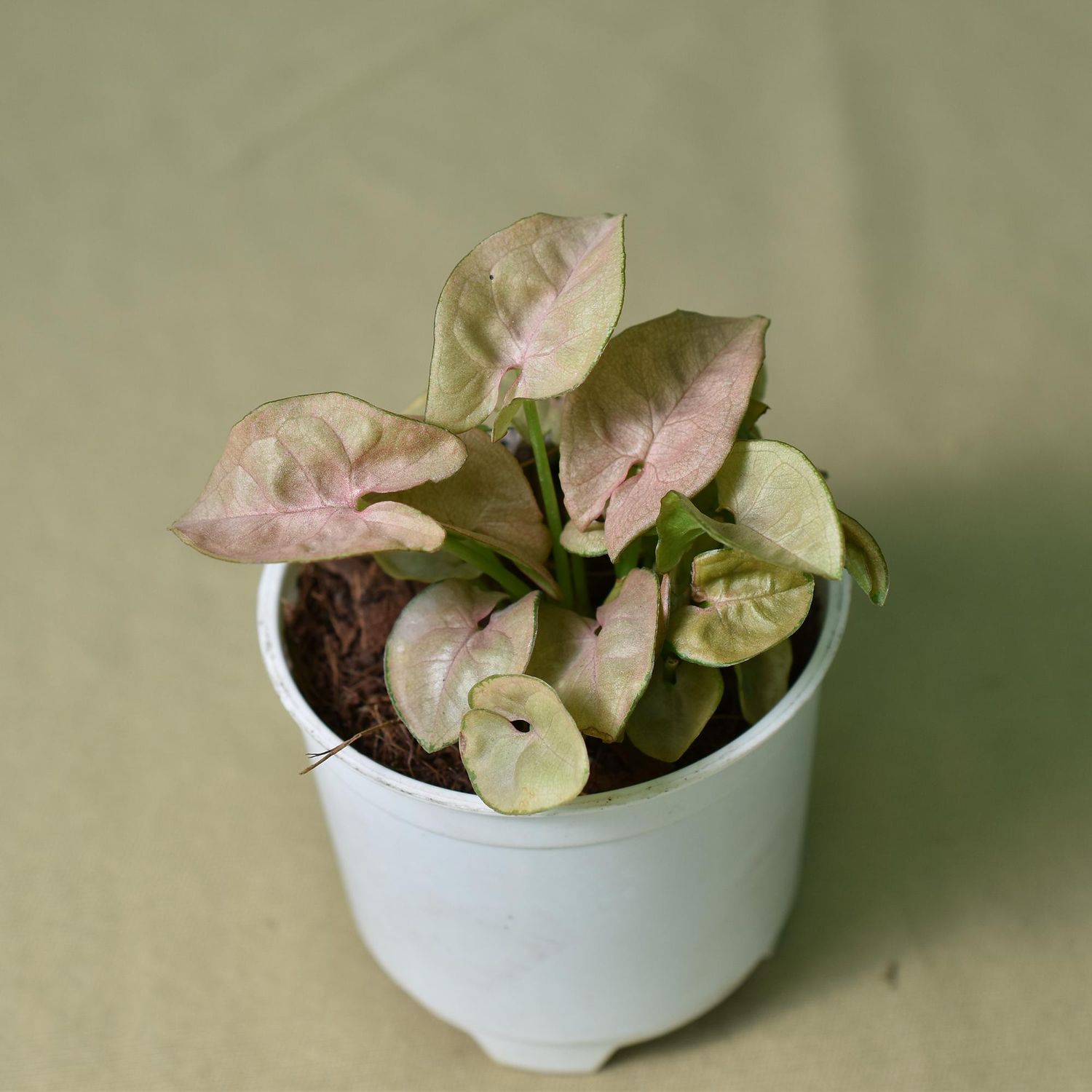
Syngonium small leaf pink
SKU GG005
₹97.75
On Sale
List Price ₹115.00 Save 15%
In stock: 9 available
1
Save this product for later
Customer reviews
Reviews only from verified customers
No reviews yet. You can buy this product and be the first to leave a review.
Syngonium small leaf pink
Product Details
Rosy Compact Elegance: Syngonium podophyllum 'Small Leaf Pink'
A high-contrast, dwarf aroid featuring saturated pastel hues, perfect for collectors seeking vibrant foliage in limited spaces.
- Origin & History of Name: The genus name Syngonium is derived from the Greek words syn (together) and gone (womb), referring to the fused ovaries of the flowers.
The specific epithet podophyllum translates to "foot-leaf," describing the distinct leaf shape. This "Small Leaf Pink" variety is a modern horticultural selection named for its stable dwarfism and anthocyanin-rich coloration. - Morphology: This cultivar exhibits sagittate (arrowhead-shaped) juvenile foliage that remains compact. Its unique aesthetic comes from the variegated epidermis, where high concentrations of pink pigments mask the chlorophyll. The leaves feature prominent venation and a waxy texture that helps manage transpiration in humid environments.
- Habitat & Origin: While the parent species is native to the tropical rainforests of Central and South America, this specific pink dwarf is a cultivar developed through selective breeding in nurseries. It is propagated via tissue culture, ensuring a sustainable supply chain that prevents the poaching of wild Syngonium species.
- Cultivation Profile:
- Substrate: Use a well-draining, chunky aroid mix consisting of coco-chips, perlite, and leaf mold to ensure aeration.
- Light: Requires bright, indirect light; in the Indian climate, keep away from harsh afternoon sun to prevent leaf scorch, which can bleach the pink pigment.
- Water/Dormancy: Maintain consistent moisture but avoid waterlogging. During Indian winters, reduce watering significantly as the plant enters a semi-dormant state and growth slows.
- Scientific/Historical Anecdote: Syngoniums are famous for their heterophyllous nature—meaning their leaf shape changes drastically as they age. While this cultivar is bred to stay in its "pretty" juvenile phase, in the wild, these plants eventually lose their pink color and transform into multi-lobed climbing vines as they reach the forest canopy.
You May Also Like
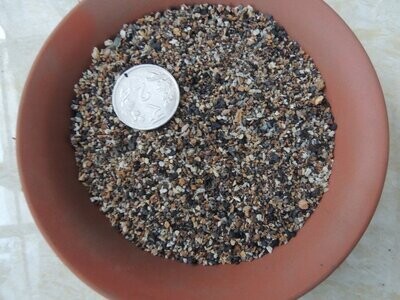
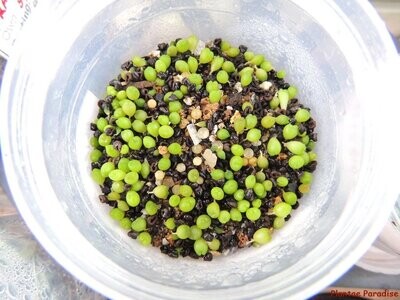
Cactus Seed Planting Mix
Cactus Seed Planting Mix
Sterile, Fine-Grain Media for Cactus & Succulent Seeds
SKU MNS005
₹74.85
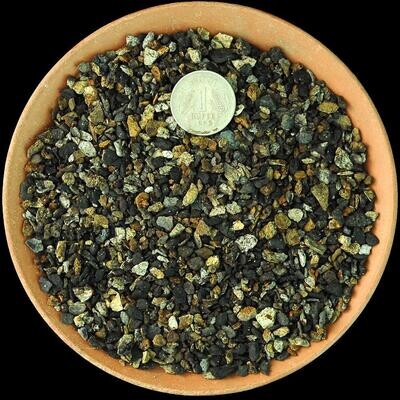
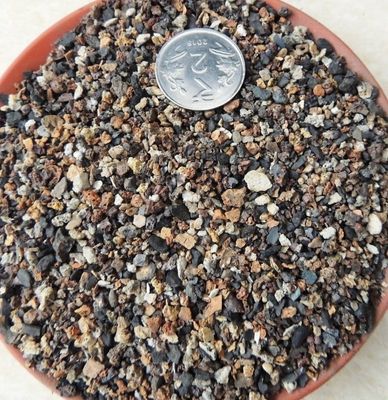
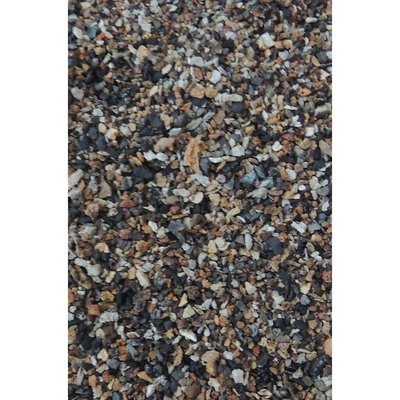
Cactus & Succulent Planting Mix COARSE (aka Cactus Soil Mix or Succulent Soil Mix)
Cactus & Succulent Planting Mix COARSE (aka Cactus Soil Mix or Succulent Soil Mix)
Washed, Free-Draining Mineral Mix for Cactus & Succulents
SKU MNS003
5.0
(1)
₹44.85
Cactus & Succulent Planting Mix FINE (aka Cactus Soil Mix or Succulent Soil Mix)
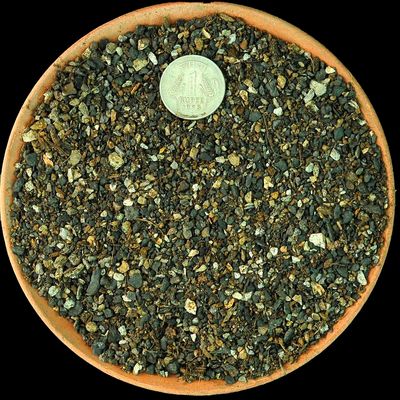
Cactus & Succulent Planting Mix FINE (aka Cactus Soil Mix or Succulent Soil Mix)
Fine-Grain Potting Mix for Cactus & Succulent Roots
SKU MNS001
5.0
(3)
₹39.85
FORTIFIED Cactus & Succulent SOIL (FINE)
FORTIFIED Cactus & Succulent SOIL (FINE)
SKU MNS002
5.0
(4)
₹49.85
Display prices in:INR
