
Categories
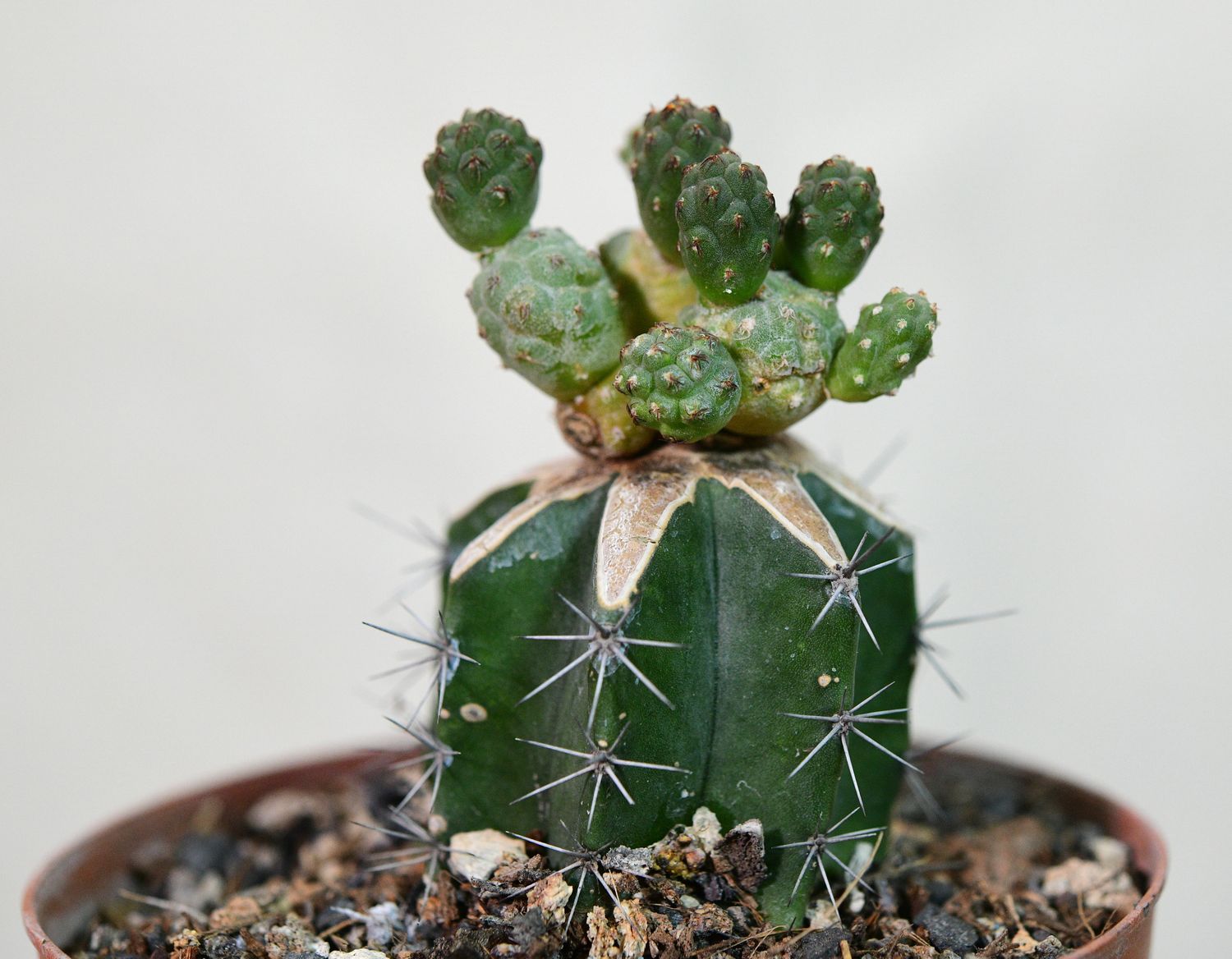
Tephrocactus bonnieae
SKU TEP002
₹385.00
In stock: 1 available
1
Save this product for later
Customer reviews
Reviews only from verified customers
No reviews yet. You can buy this product and be the first to leave a review.
Tephrocactus bonnieae
Product Details
Surreal Geometry: Tephrocactus bonnieae
A coveted gem for serious collectors, this rare Argentine miniature is prized for its prehistoric, pine-cone aesthetic.
- Origin & History of Name: The genus name Tephrocactus is derived from the Greek tephra (ash), referring to the grayish-ash color of the epidermis common to many species.
The specific epithet bonnieae honors Bonnie Brunkow, who co-discovered the plant in the 1990s alongside her husband, DJ Ferguson. It was officially described in 1996, making it a relatively modern and exciting addition to the botanical record. - Morphology: This geophytic cactus features globose to obconical segments that resemble small, textured stones or pine cones. The epidermis is a distinct blue-gray to olive green, lacking traditional ribs (costae) and instead presenting a tuberculate surface. Its areoles are recessed and produce minimal, flattened spines that hug the body, ensuring the plant’s unique geometric silhouette remains the focal point.
- Habitat & Origin: Tephrocactus bonnieae is a wild species endemic to a very specific, high-altitude micro-habitat in the Catamarca Province of Argentina.
It grows in rocky, arid soils at elevations around 2,000 meters. Due to its extremely limited range in the wild, purchasing nursery-propagated specimens is essential for environmental sustainability and the protection of wild populations. - Cultivation Profile (Indian Context):
- Substrate: Use a strictly mineral-based mix (70% grit/pumice/lava rock and 30% organic matter). In the humid Indian climate, avoid clay-heavy garden soil which retains lethal levels of moisture.
- Light: Requires bright, indirect sunlight or filtered morning sun. In peak Indian summers (April–June), provide 50% shade cloth protection to prevent the epidermis from scorching.
- Water/Dormancy: Water deeply only when the substrate is bone-dry. During the monsoon, keep the plant strictly dry to prevent rot. Observe a winter dormancy (November–February) by withholding water entirely to mimic its natural high-altitude environment.
- Scientific/Historical Anecdote: Interestingly, Tephrocactus bonnieae was initially thought to be a member of the genus Puna due to its tuberous root system and growth habit. However, DNA sequencing later confirmed its placement within Tephrocactus. In the wild, it is a "cryptic" plant; during extreme droughts, the body shrinks and retracts almost entirely underground, leaving only the very tips visible to protect itself from the elements.
You May Also Like

Cactus & Succulent Planting Mix COARSE (aka Cactus Soil Mix or Succulent Soil Mix)
Cactus & Succulent Planting Mix COARSE (aka Cactus Soil Mix or Succulent Soil Mix)
Washed, Free-Draining Mineral Mix for Cactus & Succulents
SKU MNS003
5.0
(1)
₹44.85
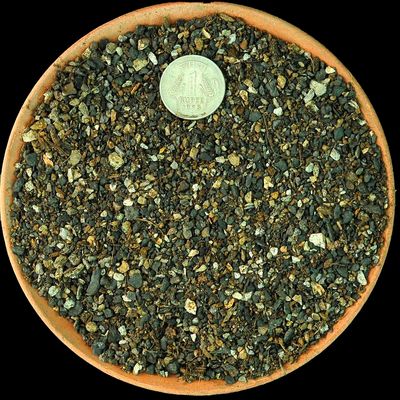
FORTIFIED Cactus & Succulent SOIL (FINE)
FORTIFIED Cactus & Succulent SOIL (FINE)
SKU MNS002
5.0
(4)
₹49.85
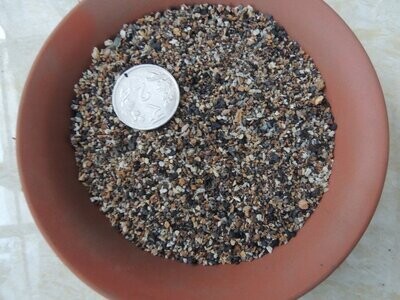
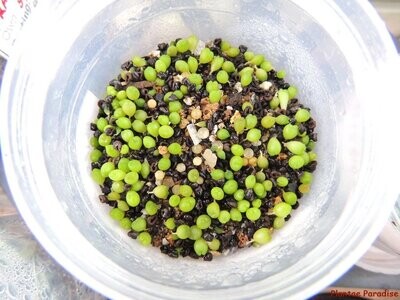
Cactus Seed Planting Mix
Cactus Seed Planting Mix
Sterile, Fine-Grain Media for Cactus & Succulent Seeds
SKU MNS005
₹74.85
New

Monsoon Guardian Kit (5 in 1)
Monsoon Guardian Kit (5 in 1)
Complete 5-in-1 biological protection kit for cacti & succulents
SKU MNS024
₹850.00
Display prices in:INR
