
Categories
The Bishop's Assembly — A Collector's Starter Set
SKU BS004
₹530.00
Price Drop
List Price ₹750.00 Save 29%
In stock: 4 available
1
Save this product for later
Customer reviews
Reviews only from verified customers
No reviews yet. You can buy this product and be the first to leave a review.
The Bishop's Assembly — A Collector's Starter Set
Product Details
The Bishop's Assembly — A Collector's Starter Set
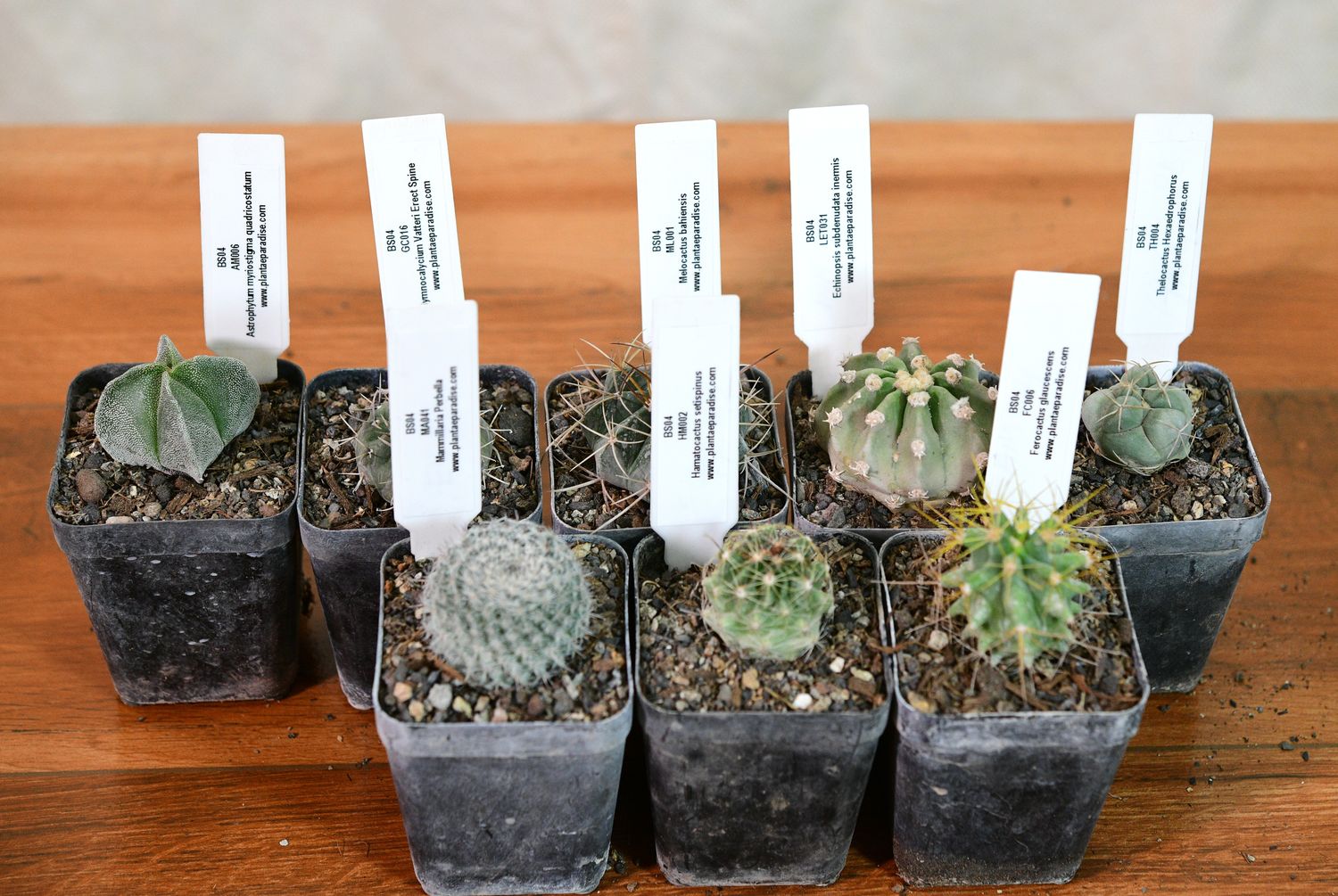
A quietly extraordinary line-up for the desk, the windowsill, or the beginning of a serious habit: eight distinct cactus genera in 6cm pots, chosen to show just how much variety this family can pack into a few square inches — flattened stars, hooked spines, powder-blue barrels, and one gloriously spineless oddball. Perfect as a gift, a starter collection, or simply an excuse to fall down the cactus rabbit hole.
1. Mammillaria perbella — Owl Eye Cactus A tidy little globe densely wrapped in fine white spines, with two darker, stouter centrals standing out like a pair of watchful eyes — hence the name. Slow, compact, and endlessly rewarding, it eventually offsets into a small colony and crowns itself with a ring of pink-purple blooms in season. A classic beginner's Mammillaria that never looks anything less than immaculate.
2. Hamatocactus setispinus (syn. Thelocactus setispinus) — Hedgehog Cactus Wavy, spiralling ribs give this one a restless, animated look, bristling with fine white-to-brown spines — including one signature hooked central that gives the old genus name "Hamatocactus" (from the Latin for fish-hook) its meaning. A prolific bloomer even while young, it rewards patience with a long summer run of silky yellow flowers with fiery orange-red throats.
3. Ferocactus glaucescens — Blue Barrel Cactus Even at this size, the signature powder-blue skin is unmistakable — a glaucous, sea-green cast that gives the species its name. As it matures it thickens into a true barrel bristling with strong golden spines, eventually crowning itself with buttery yellow flowers. A future centrepiece plant in miniature.
4. Astrophytum myriostigma quadricostatum — Four-Ribbed Bishop's Cap The star of the set, quite literally — "Astrophytum" means star-plant in Greek, and this rare four-ribbed form (rather than the usual five) traces its garden history back to a description from 1841. Its spineless, geometric body is dusted in tiny white flecks (myriostigma = "countless dots"), giving it a frosted, almost ceramic look that collectors seek out specifically for its unusual rib count.
5. Gymnocalycium vatteri — Erect Spine form A flattened, grey-green disc from the highlands of Argentina, with wide, scarcely-raised ribs and stiff, upright spines pressed close to the body — a striking departure from the more common curved-spine forms of the species. Slow and undemanding, it rewards growers with large white flowers blushed pink at the throat.
6. Melocactus bahiensis — Brazilian Turk's Cap Cactus (juvenile) Right now a neat, softly bristled green globe — but this Brazilian native is quietly building toward something unique: mature plants develop a woolly, bristle-topped "cephalium," a specialised flowering cap found only in this genus. A true collector's long game, native to the rocky caatinga scrub of Bahia and Pernambuco.
7. Echinopsis subdenudata inermis — Spineless Domino Cactus The gentle giant of the set — a rare, completely spineless form of the popular "Domino Cactus" from Bolivia, its dark green globe marked only by soft white areoles. Safe to handle and famous for flowering young, it produces enormous, fragrant white blooms that open at night and can rival the size of the plant itself.
8. Thelocactus hexaedrophorus — Sun Cup Cactus A flattened, fleshy Mexican barrel built from plump, angular tubercles arranged in low ribs, each crowned with woolly, reddish-white spines. Slow-growing and quietly handsome year-round, it saves its drama for late spring, when large funnel-shaped white-to-pink flowers open wide at the crown.
You May Also Like
New


Monsoon Guardian Kit (5 in 1)
Monsoon Guardian Kit (5 in 1)
Complete 5-in-1 biological protection kit for cacti & succulents
SKU MNS024
₹850.00
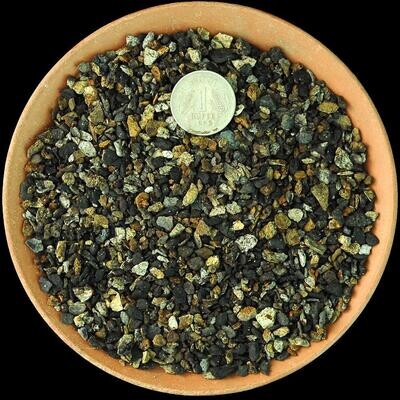
Cactus & Succulent Planting Mix COARSE (aka Cactus Soil Mix or Succulent Soil Mix)
Cactus & Succulent Planting Mix COARSE (aka Cactus Soil Mix or Succulent Soil Mix)
Washed, Free-Draining Mineral Mix for Cactus & Succulents
SKU MNS003
5.0
(1)
₹44.85
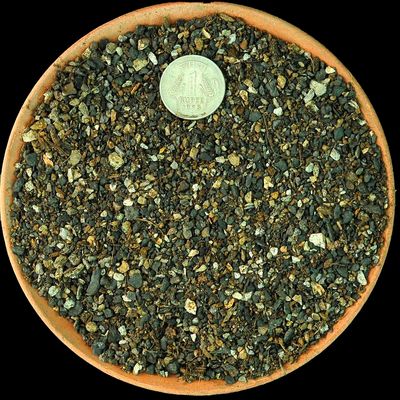
FORTIFIED Cactus & Succulent SOIL (FINE)
FORTIFIED Cactus & Succulent SOIL (FINE)
SKU MNS002
5.0
(4)
₹49.85
Cactus Seed Planting Mix
Cactus Seed Planting Mix
Sterile, Fine-Grain Media for Cactus & Succulent Seeds
SKU MNS005
₹74.85
Display prices in:INR
