
Categories
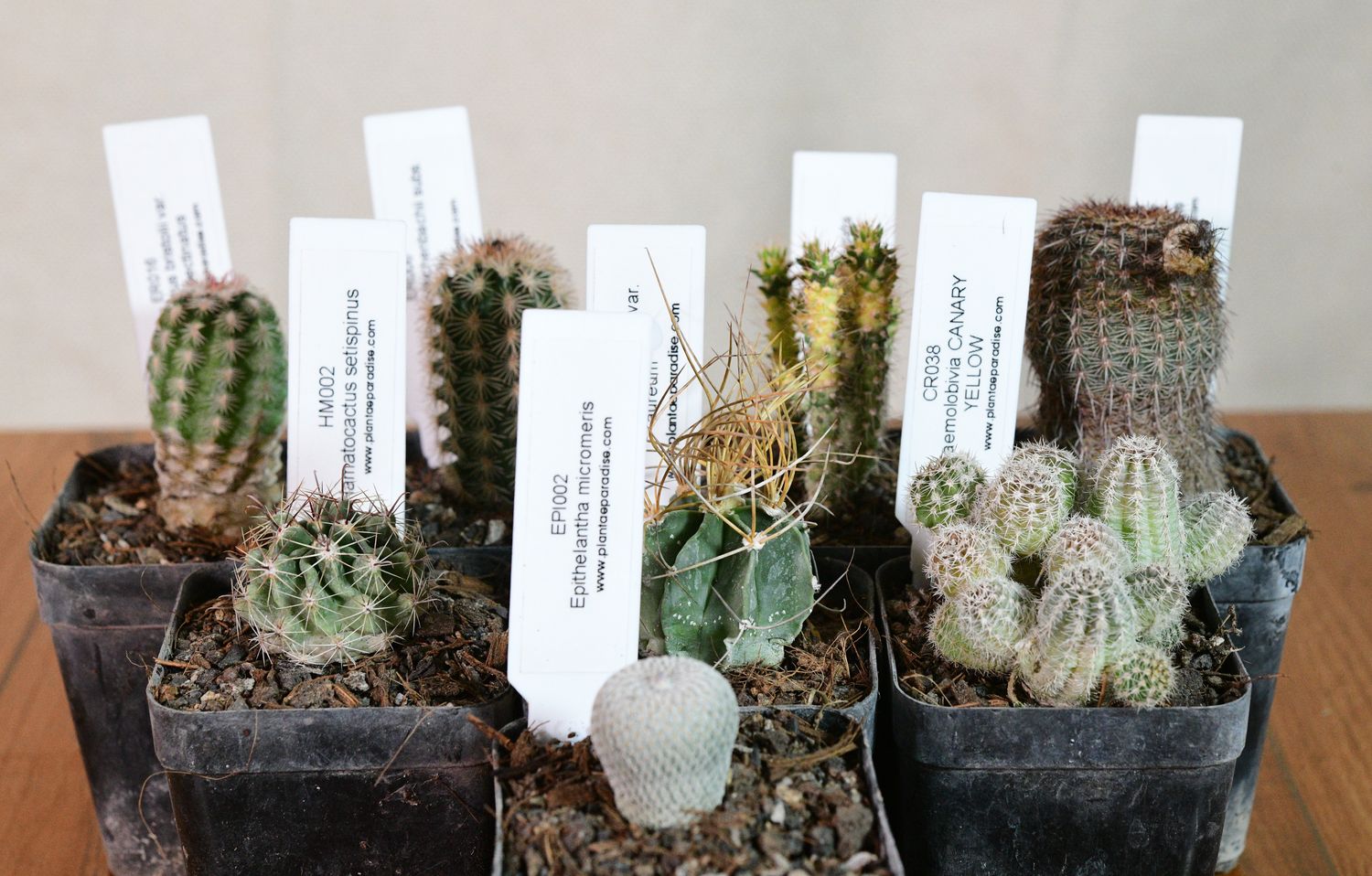
The Collector's Eight — A Mixed Cactus Set
5.0
1 review
Reviews from verified customers who have purchased products at this store.
SKU BS021
₹1 850.00
In stock: 3 available
1
Save this product for later
Customer reviews
Reviews only from verified customers
Reviews are only accepted from verified customers who have signed in and purchased the products. This ensures that each review is based on genuine customer experiences. All reviews are checked before publication to prevent spam.
C S.
Secunderabad,
India
Fri, September 11, 2026
Over the years my experience has always been the same….deeply satisfying!
Always happy to build my collection from Plantaeparadise
The Collector's Eight — A Mixed Cactus Set
Product Details
The Collector's Eight — A Mixed Cactus Set
Eight small pots, eight completely different personalities. This set brings together some of the most distinctive spine forms and growth habits in the cactus world side by side — comb-like rainbow spines, lace-fine white webbing, curling golden goat's horns, a cactus so densely covered in tiny spines it looks like a fuzzy grey button, wicked fish-hook barbs, a jointed chalky-blue cholla marbled with cream variegation, and a compact hybrid bred purely for its non-stop canary-yellow blooms. It's less a random assortment and more a hand-picked cross-section of what makes cacti endlessly collectible — no two pots in this set look, or grow, quite alike.
What's in the Set
1. Echinocereus bristolii var. pseudopectinatus (ER016) — A clustering hedgehog cactus from Sonora, Mexico, prized for the fine, densely packed "comb spines" that lie flat against its ribs in neat horizontal rows, often banded in soft pinks, creams, and tans — the same striking pattern that gives its close relatives the common name "rainbow cactus." Left to mature, it clumps into a tight colony of cylindrical stems and can produce large, funnel-shaped pink blooms.
2. Echinocereus reichenbachii subsp. fitchii (ER006) — Known as Fitch's hedgehog or lace cactus, native to the brushy river banks of the Rio Grande in Texas and northern Mexico. Its ribs are wrapped edge to edge in fine, spiralling white spines that give the whole plant a delicate, woven "lace" texture — one of the most tactile-looking cacti there is — before it opens large, fragrant magenta flowers with a darker throat.
3. Cylindropuntia sp. 'Variegata' (OP001) — A variegated cholla, part of the same jointed, cylindrical-stemmed group that includes the wild cane and tree chollas of the American Southwest. This form's segments are marbled with pale cream against blue-green, giving even a young plant real presence. Like all chollas, its stem joints detach readily and its spines are sharp and barbed — a striking, slightly mischievous addition to any collection.
4. Notocactus rutilans (NC016) — A small, globular, densely spined ball cactus from the grasslands of Uruguay and southern Brazil, grown as much for its flowers as its form: bright, glowing pink blooms open from the crown in a color rarely seen on cactus flowers, on a plant compact enough to stay pot-sized for years.
5. Hamatocactus setispinus (HM002) — Today reclassified as Thelocactus setispinus, but still widely sold under its older, more evocative name — Hamatocactus, from the Latin hamatus, "hooked," for the long, strongly curved central spine that hooks sharply at the tip. Native to southern Texas and northeastern Mexico, it's a fast-growing, free-flowering little barrel that produces glossy yellow to orange blooms with red centers from a young age.
6. × Chamaelobivia 'Canary Yellow' (CR038) — A hybrid genus (Chamaecereus × Lobivia) bred specifically for a small, clumping "peanut cactus" habit topped with an outsized show of blooms — in this case, saturated canary-yellow flowers that can dwarf the plant itself when open. Bred for the collector's shelf rather than found in the wild, it's one of the most reliably floriferous small cacti available.
7. Astrophytum capricorne var. aureum (ACAP05) — The "goat's horn cactus," named from the Latin capri ("goat") and cornu ("horn") for its long, dramatically twisted spines that curl like a goat's horns from a ribbed, star-shaped body. The aureum form is prized for spines and body flecking in warm golden tones. Native to the Chihuahuan Desert of Coahuila, Mexico, it eventually produces large yellow flowers with a red throat.
8. Epithelantha micromeris (EPI002) — The button cactus, one of the smallest cacti in cultivation, native to the rocky slopes of Texas, New Mexico, Arizona, and northern Mexico. Its tiny globular body is so completely blanketed in fine white spines that the green plant beneath all but disappears, giving it the look of a soft grey pebble or button — followed, in season, by tiny pink-white flowers and bright red fruit.
Care (General Guide for the Set)
All eight are true desert cacti and share the same broad care needs, with a few individual notes below.
Light: Bright, direct sun for at least half the day — a south- or west-facing windowsill indoors, or full sun outdoors once acclimated. Strong light keeps spine color vivid and growth compact; too little light causes stretching (etiolation), especially in the Astrophytum and Notocactus.
Watering: Water thoroughly, then let the soil dry out completely before watering again — as a rule of thumb, check by inserting a finger or skewer into the soil. Water sparingly (or not at all) through winter dormancy. All eight are far more likely to suffer from overwatering than underwatering.
Soil: A gritty, fast-draining cactus mix — standard potting soil cut with roughly 30–50% coarse sand, perlite, or pumice. Good drainage matters more than fertility for this group.
Temperature: Average warm room temperatures suit all eight well during the growing season; most tolerate light winter chills far better than wet, cold soil. Keep them dry and cool (not warm and wet) over winter for the best spring flowering.
Handling note: The Cylindropuntia (OP001) and Hamatocactus/Thelocactus (HM002) in particular have sharp, barbed, or hooked spines — handle with thick gloves or a folded strip of leather/felt rather than bare hands when repotting.
General tip: Because these eight come from such different native ranges — from Uruguayan grassland to Chihuahuan desert scrub to Texas river brush — none of them need identical treatment, but all reward the same basic discipline: strong light, gritty soil, and a dry rest between waterings.
You May Also Like
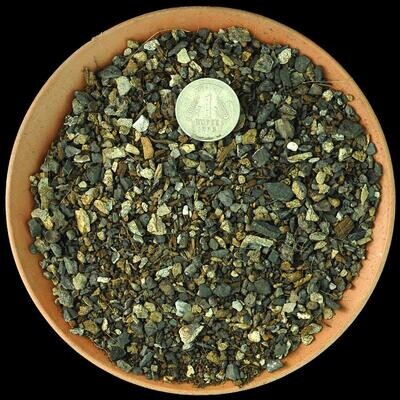
FORTIFIED Cactus & Succulent SOIL (COARSE)
FORTIFIED Cactus & Succulent SOIL (COARSE)
SKU MNS004
5.0
(12)
₹54.85
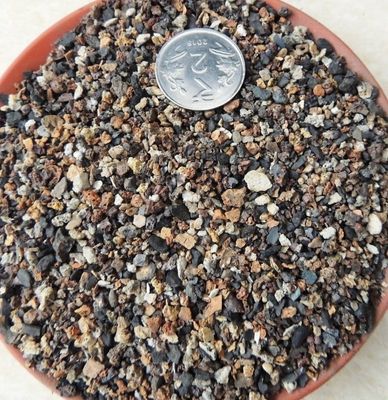
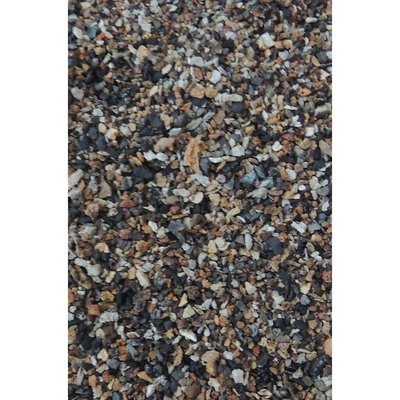
Cactus & Succulent Planting Mix FINE (aka Cactus Soil Mix or Succulent Soil Mix)
Cactus & Succulent Planting Mix FINE (aka Cactus Soil Mix or Succulent Soil Mix)
Fine-Grain Potting Mix for Cactus & Succulent Roots
SKU MNS001
5.0
(3)
₹39.85

Cactus & Succulent Planting Mix COARSE (aka Cactus Soil Mix or Succulent Soil Mix)
Cactus & Succulent Planting Mix COARSE (aka Cactus Soil Mix or Succulent Soil Mix)
Washed, Free-Draining Mineral Mix for Cactus & Succulents
SKU MNS003
5.0
(1)
₹44.85

FORTIFIED Cactus & Succulent SOIL (FINE)
FORTIFIED Cactus & Succulent SOIL (FINE)
SKU MNS002
5.0
(4)
₹49.85
Display prices in:INR
