
Categories
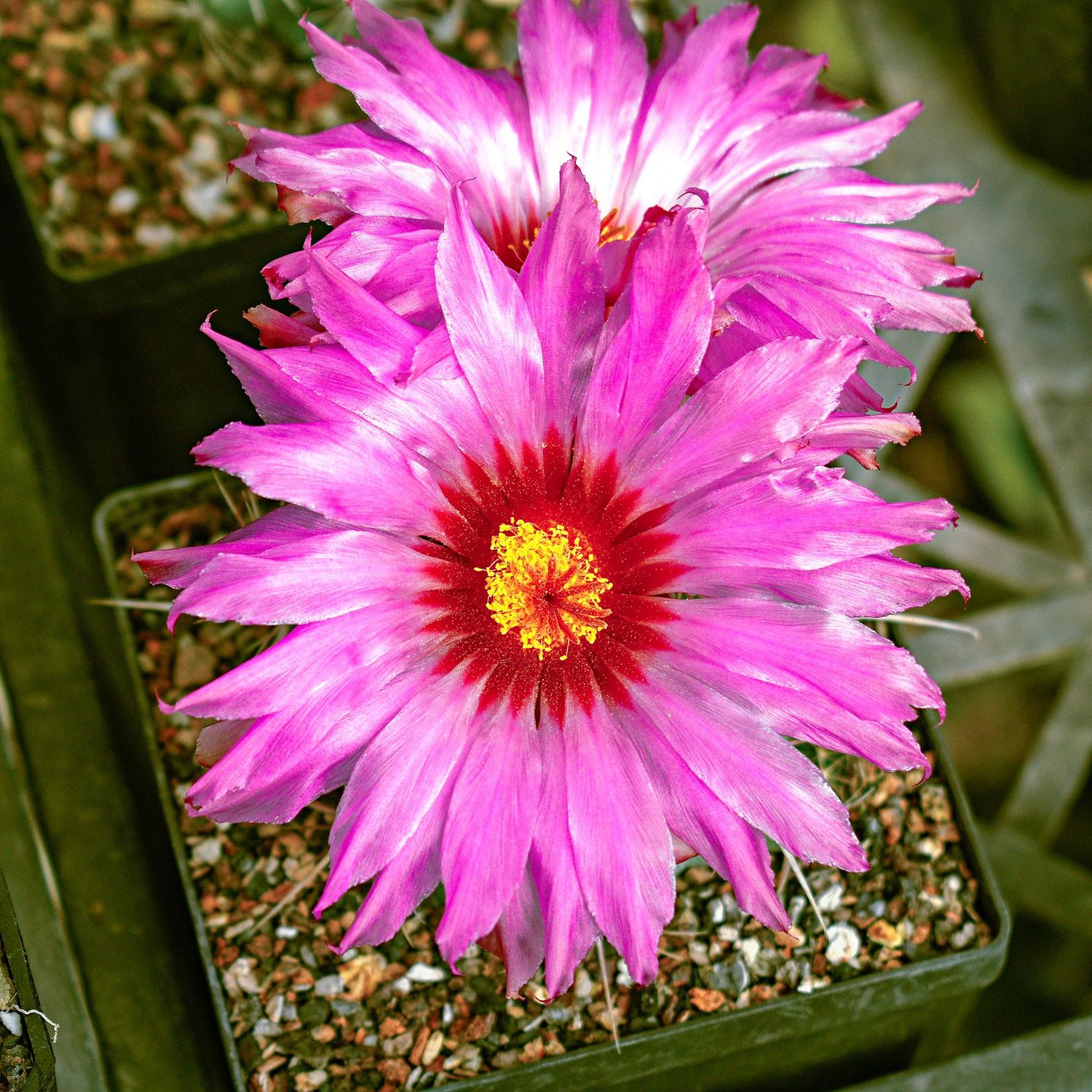
Thelocactus Bicolor
5.0
1 review
Reviews from verified customers who have purchased products at this store.
SKU TH001
₹575.00
Sold out
Sold out
Save this product for later
Customer reviews
Reviews only from verified customers
Reviews are only accepted from verified customers who have signed in and purchased the products. This ensures that each review is based on genuine customer experiences. All reviews are checked before publication to prevent spam.
Namrata S.
Noida,
India
Sat, June 20, 2026
Thelocactus Bicolor
Product Details
The "Glory of Texas" — Thelocactus bicolor
A striking desert specimen celebrated for its architectural multi-colored spines and disproportionately large, brilliant magenta blooms.
1. Origin & History of Name The genus name Thelocactus is derived from the Greek word thele (nipple) and kaktos, referring to the plant's prominent tubercles (wart-like projections) rather than continuous ribs.
2. Morphology This species forms a solitary, globose to short-cylindrical stem with an epidermis ranging from green to grey-green. It features 8 to 13 distinct ribs deeply divided into tubercles.
3. Habitat & Origin This is a wild species native to the Chihuahuan Desert, spanning Southern Texas (USA) and Northern Mexico (Coahuila, Durango, Nuevo León).
4. Cultivation Profile
- Substrate: Requires a highly porous, mineral-based mix (e.g., 70% pumice, gravel, or perlite with 30% sterile soil) to ensure rapid drainage.
- Light: Thrives in full sunlight to maintain heavy spine density.
In the Indian plains (e.g., Delhi, Deccan Plateau), provide filtered shade during peak summer afternoons (May–June) to prevent scorching. - Water/Dormancy: Water thoroughly only when the substrate is bone dry. Crucial for India: Keep completely dry during the winter dormancy (November–February) and shield strictly from monsoon rains to prevent root rot.
5. Scientific/Historical Anecdote Thelocactus serves as a fascinating morphological link in cactus evolution. While it possesses ribs like the Ferocactus or Echinocactus genera, its distinct tubercles suggest a closer evolutionary relationship to Mammillaria. This intermediate structure makes T. bicolor a frequent subject of study regarding convergent evolution in arid-adapted flora.
You May Also Like
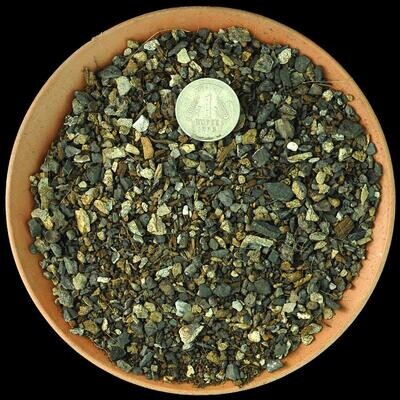
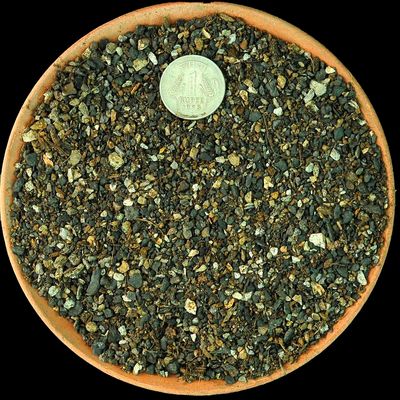
FORTIFIED Cactus & Succulent SOIL (COARSE)
FORTIFIED Cactus & Succulent SOIL (COARSE)
SKU MNS004
5.0
(11)
₹54.85
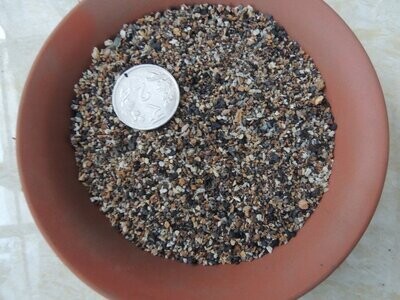
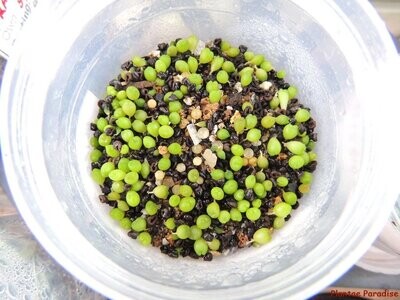
Cactus Seed Planting Mix
Cactus Seed Planting Mix
Sterile, Fine-Grain Media for Cactus & Succulent Seeds
SKU MNS005
₹74.85
New
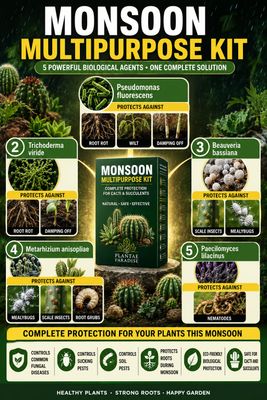
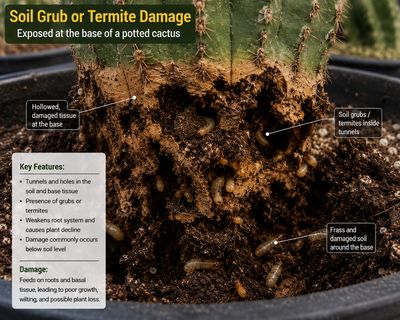
Monsoon Guardian Kit (5 in 1)
Monsoon Guardian Kit (5 in 1)
Complete 5-in-1 biological protection kit for cacti & succulents
SKU MNS024
₹850.00
FORTIFIED Cactus & Succulent SOIL (FINE)
FORTIFIED Cactus & Succulent SOIL (FINE)
SKU MNS002
5.0
(4)
₹49.85
Display prices in:INR
