
Categories
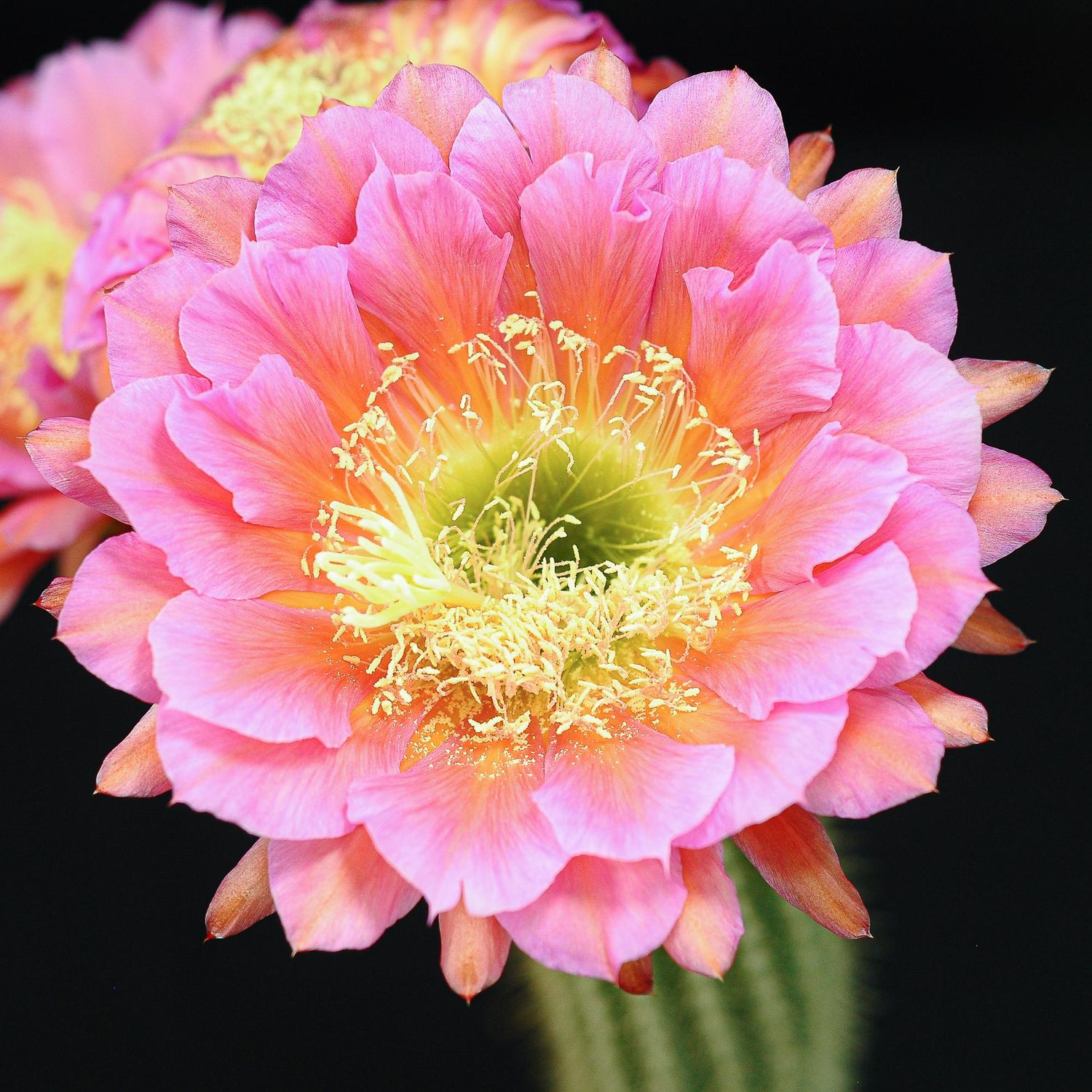
Trichocerous hybrid FLYING SAUCER
SKU LET314
₹1 650.00
In stock: 1 available
1
Save this product for later
Customer reviews
Reviews only from verified customers
No reviews yet. You can buy this product and be the first to leave a review.
Trichocerous hybrid FLYING SAUCER
Product Details
Celestial Bloom: Trichocereus hybrid 'Flying Saucer'
A legendary Schick hybrid coveted for its massive, iridescent blooms and rare neon-gradient petals.
- Origin & History of Name: The name 'Flying Saucer' refers to the plant’s extraordinary flower size, which can reach up to 10 inches in diameter, mimicking the disc-like shape of a UFO. It is a famous "Schick Hybrid," bred by Robert Schick, who named many of his creations after astronomical or whimsical themes to reflect their "out-of-this-world" visual impact.
- Morphology: This columnar cactus features a deep green epidermis with prominent costae (ribs) lined with short, light-colored spines. Its defining feature is the multi-layered perianth (flower petals); the outer segments display a soft pink hue that transitions into a peachy-orange lamina, eventually meeting a vibrant lime-green throat. The petals are notably broad with erose (notched) tips.
- Habitat & Origin: This plant is a man-made cultivar, not found in the wild. It is the result of selective cross-breeding of South American Trichocereus (now often classified under Echinopsis) species. Our specimens are propagated via sustainable cuttings from established mother plants, ensuring no impact on wild desert ecosystems.
- Cultivation Profile:
- Substrate: Use a highly porous, mineral-based mix (50% coarse sand/perlite, 25% volcanic rock, 25% organic compost). Avoid standard garden soil which retains too much moisture in humid Indian climates.
- Light: Requires 6–8 hours of direct morning sunlight. In peak Indian summers (April–June), provide 30% shade cloth protection to prevent epidermal scorching.
- Water/Dormancy: Water deeply when the substrate is completely dry. During the monsoon, protect from rain to avoid root rot. Reduce watering significantly from November to February to respect its cool-season dormancy.
- Scientific/Historical Anecdote: The Trichocereus genus is famous for its "vespertine" tendencies, but hybrids like 'Flying Saucer' have been specifically bred to stay open longer into the daylight hours. While many wild ancestors bloom only at night to attract moths, this cultivar’s vivid colors and midday persistence are a triumph of 20th-century horticultural selection.
You May Also Like
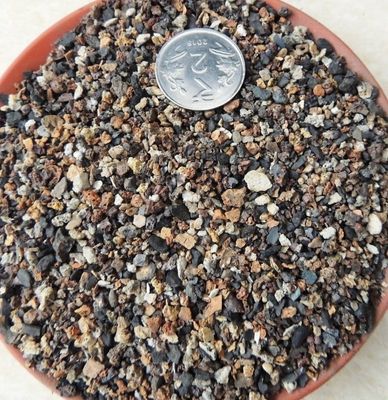
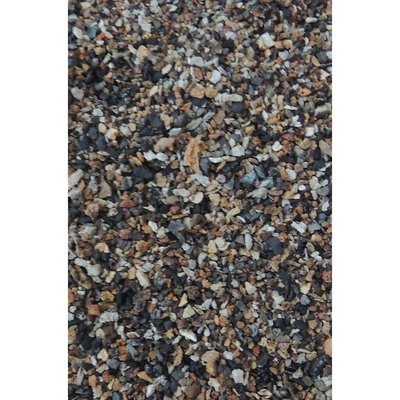
Cactus & Succulent Planting Mix FINE (aka Cactus Soil Mix or Succulent Soil Mix)
Cactus & Succulent Planting Mix FINE (aka Cactus Soil Mix or Succulent Soil Mix)
Fine-Grain Potting Mix for Cactus & Succulent Roots
SKU MNS001
5.0
(3)
₹39.85
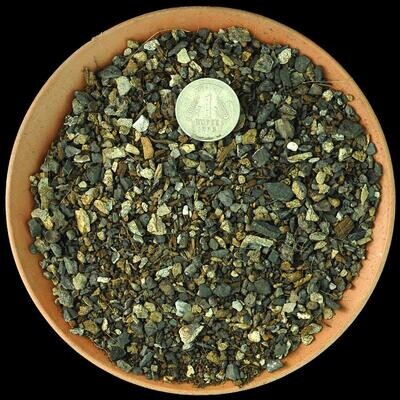
FORTIFIED Cactus & Succulent SOIL (COARSE)
FORTIFIED Cactus & Succulent SOIL (COARSE)
SKU MNS004
5.0
(11)
₹54.85
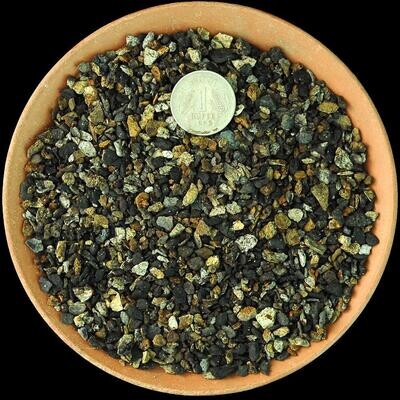
Cactus & Succulent Planting Mix COARSE (aka Cactus Soil Mix or Succulent Soil Mix)
Cactus & Succulent Planting Mix COARSE (aka Cactus Soil Mix or Succulent Soil Mix)
Washed, Free-Draining Mineral Mix for Cactus & Succulents
SKU MNS003
5.0
(1)
₹44.85
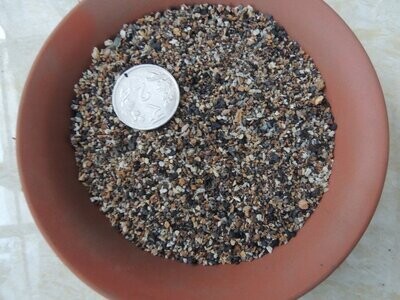
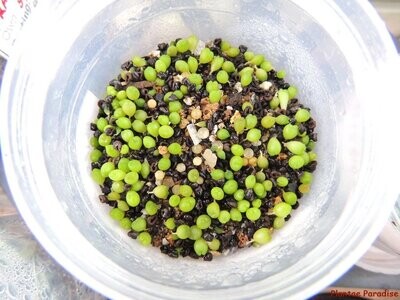
Cactus Seed Planting Mix
Cactus Seed Planting Mix
Sterile, Fine-Grain Media for Cactus & Succulent Seeds
SKU MNS005
₹74.85
Display prices in:INR
