
Categories
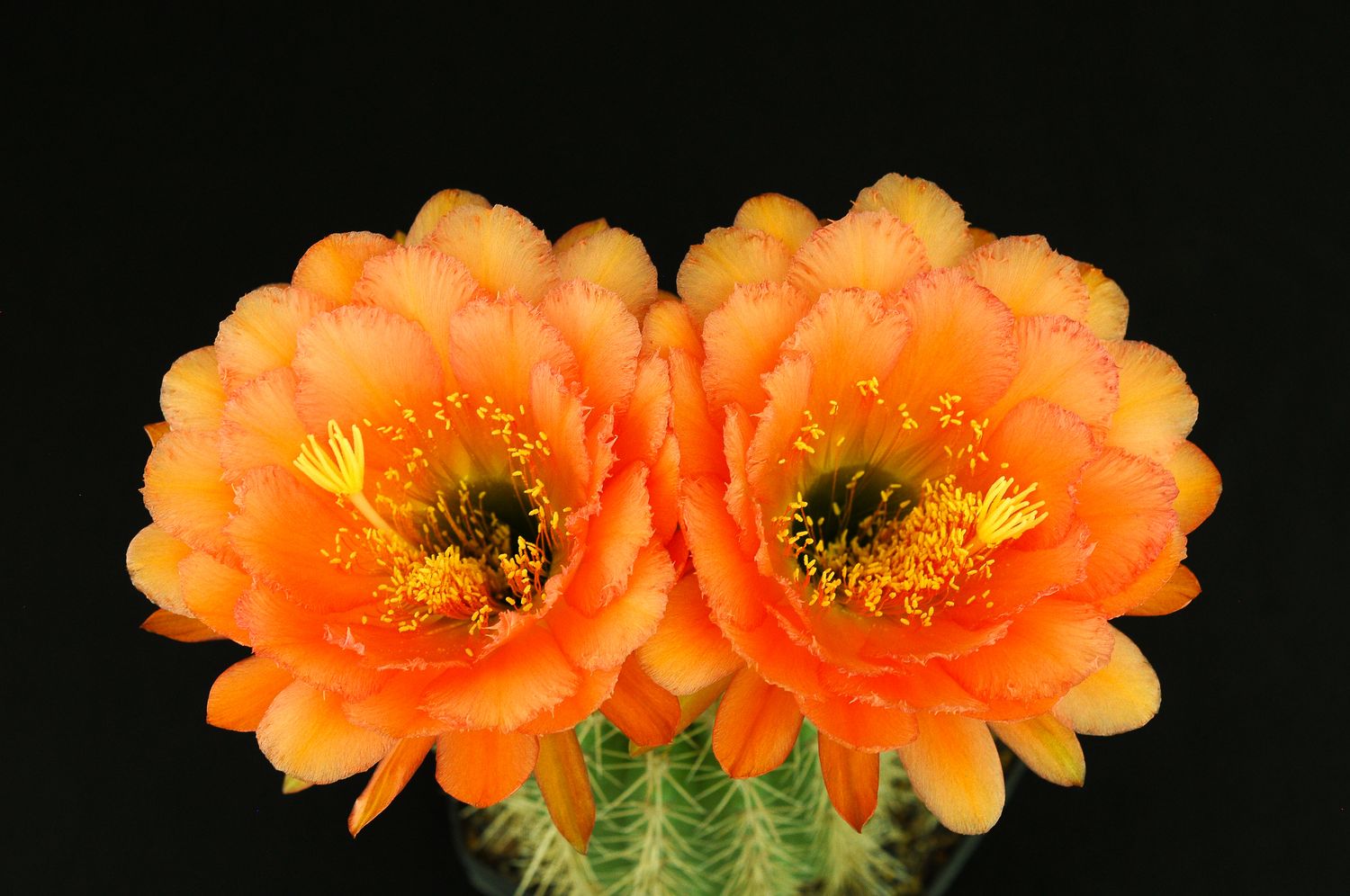
Trichocerous hybrid Flying Dream
SKU LET401
₹950.00
Sold out
Sold out
Save this product for later
Customer reviews
Reviews only from verified customers
No reviews yet. You can buy this product and be the first to leave a review.
Trichocerous hybrid Flying Dream
Product Details
Trichocereus Hybrid 'Flying Dream'
Twin blooms of molten orange and gold, unfurled side by side like sunrise caught in double exposure — 'Flying Dream' doesn't do subtlety. This is a hybrid built for maximum visual payoff, each flower a dense, saturated wheel of colour radiating from a mossy-dark heart.
Origin of Name
The genus name Trichocereus draws from the Greek thrix (θρίξ) — "hair" — combined with the Latin cereus, meaning "wax candle" or "torch," a nod to the tall, ribbed, candle-like columns typical of the group. German botanist Alwin Berger formally established Trichocereus as its own genus in 1905, separating these large-flowered South American columnar cacti from the broader, catch-all Cereus. Contemporary molecular taxonomy has since reabsorbed most Trichocereus species into Echinopsis, but the name persists widely in cultivation, where it still usefully distinguishes the tall, tree-forming columnar types from their smaller globular cousins.
The cultivar name 'Flying Dream' belongs to the hybridizer's tradition of evocative, aspirational trade names — a practice common across ornamental cactus breeding, where a striking new cross is given a name meant to capture the feeling of encountering the flower rather than a technical description of it. "Flying Dream" suggests something airborne and fleeting, an apt choice for a bloom that, like most Trichocereus-type hybrids, opens gloriously and briefly before fading — closer to a vision than a fixture.
Origin of Plant
The wild Trichocereus lineage hails from the Andean regions of South America — Peru, Bolivia, Chile, Argentina, and Ecuador — where columnar cacti colonize rocky slopes and high-altitude terrain, some species growing into multi-armed, tree-sized specimens over many decades. These plants evolved large, showy flowers to attract pollinators such as moths, bats, and bees across the sparse, high-altitude landscapes they call home.
'Flying Dream,' however, is a cultivated hybrid, not a wild-collected species. It is the result of deliberate crossing between selected Trichocereus/Echinopsis parent lines by a hybridizer chasing bold flower colour and heavy bud production — the kind of intentional breeding programme responsible for many of the most dramatic ornamental cactus flowers available today. Its origin story lies not in a mountain expedition but in a grower's careful selection of parent plants and years of evaluating seedlings for exactly this kind of performance.
Description
'Flying Dream' is a floriferous hybrid known for producing multiple large blooms in tight succession — as seen here, often two or more open simultaneously, creating a dramatic paired or clustered display. Each flower is a dense, many-layered rosette of broad, rounded petals in warm orange, deepening to a richer burnt-orange near the base and softening to buttery gold at the fringed, slightly ruffled tips. At the centre, a dark olive-green stigma sits low in the throat, surrounded by a thick ring of golden-yellow stamens that catch the light and draw the eye inward.
The stems below are classic Trichocereus-type architecture: ribbed, columnar, and densely covered in fine, pale spines, offering textural contrast to the flowers' saturated warmth. Individual blooms tend to be short-lived — typically opening for a day or so — but this hybrid's tendency toward heavy, synchronized flushes means the visual impact often outlasts any single flower.
Conservation Status
The Cactaceae family is broadly protected under CITES Appendix II, which regulates international trade in wild specimens. As a cultivated hybrid with no wild population, 'Flying Dream' carries no conservation concern of its own and typically qualifies for the artificially propagated exemption under CITES when sold — one of the quiet benefits of hybridizing: it satisfies collector demand for spectacular flowers without any pressure on wild populations.
Care
- Light: Needs full sun to very bright light to flower well and maintain compact, sturdy growth. Too little light leads to stretched, weak growth and reluctant flowering.
- Watering: Water thoroughly during the growing season (spring to early autumn), letting the soil dry out completely between waterings. Cut back sharply in winter, watering only sparingly to mimic natural dormancy.
- Soil: Use a fast-draining, mineral-heavy cactus mix — plenty of pumice, grit, or coarse sand. A terracotta pot is preferable to plastic, since its porous walls let excess moisture escape rather than pool around the roots.
- Temperature: Thrives between 18–30°C; protect from hard frost, though brief cool nights are generally well tolerated once the plant is established.
- Feeding: A diluted, low-nitrogen cactus fertilizer through the growing season encourages both robust growth and generous flowering.
A Story Worth Telling
The paired, almost mirror-image blooms in this photograph capture something hybridizers chase for years: synchronized flowering. Many Trichocereus-type cacti coordinate their bud opening within a species or clone, a trait thought to have evolved to maximize cross-pollination odds for pollinators moving briefly through a landscape at dusk or dawn. In cultivation, this synchrony becomes pure spectacle — a single plant erupting into multiple identical flowers at once, as if determined to make its brief day in bloom as unforgettable as possible before the petals close for good.
You May Also Like
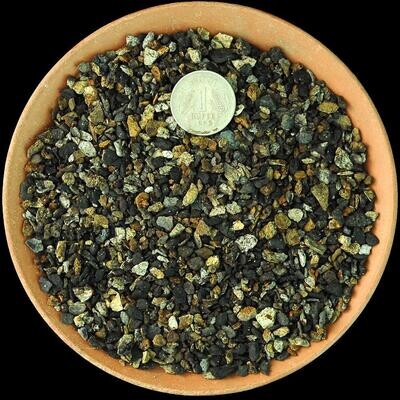
Cactus & Succulent Planting Mix COARSE (aka Cactus Soil Mix or Succulent Soil Mix)
Cactus & Succulent Planting Mix COARSE (aka Cactus Soil Mix or Succulent Soil Mix)
Washed, Free-Draining Mineral Mix for Cactus & Succulents
SKU MNS003
5.0
(1)
₹44.85
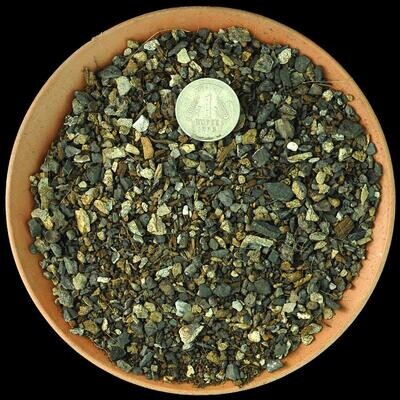
FORTIFIED Cactus & Succulent SOIL (COARSE)
FORTIFIED Cactus & Succulent SOIL (COARSE)
SKU MNS004
5.0
(11)
₹54.85
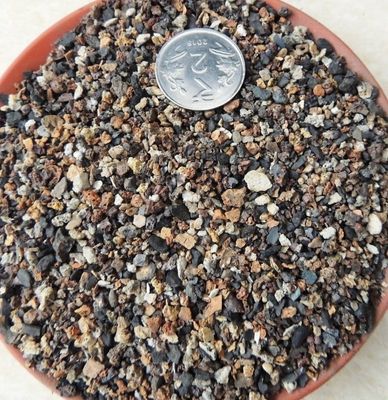
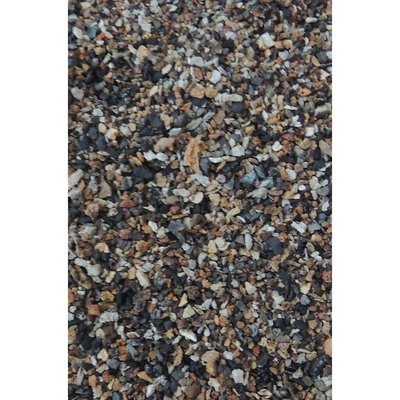
Cactus & Succulent Planting Mix FINE (aka Cactus Soil Mix or Succulent Soil Mix)
Cactus & Succulent Planting Mix FINE (aka Cactus Soil Mix or Succulent Soil Mix)
Fine-Grain Potting Mix for Cactus & Succulent Roots
SKU MNS001
5.0
(3)
₹39.85
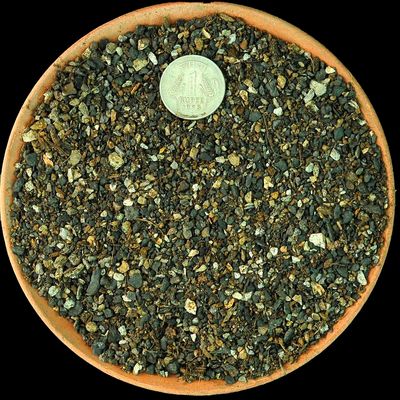
FORTIFIED Cactus & Succulent SOIL (FINE)
FORTIFIED Cactus & Succulent SOIL (FINE)
SKU MNS002
5.0
(4)
₹49.85
Display prices in:INR
