
Categories
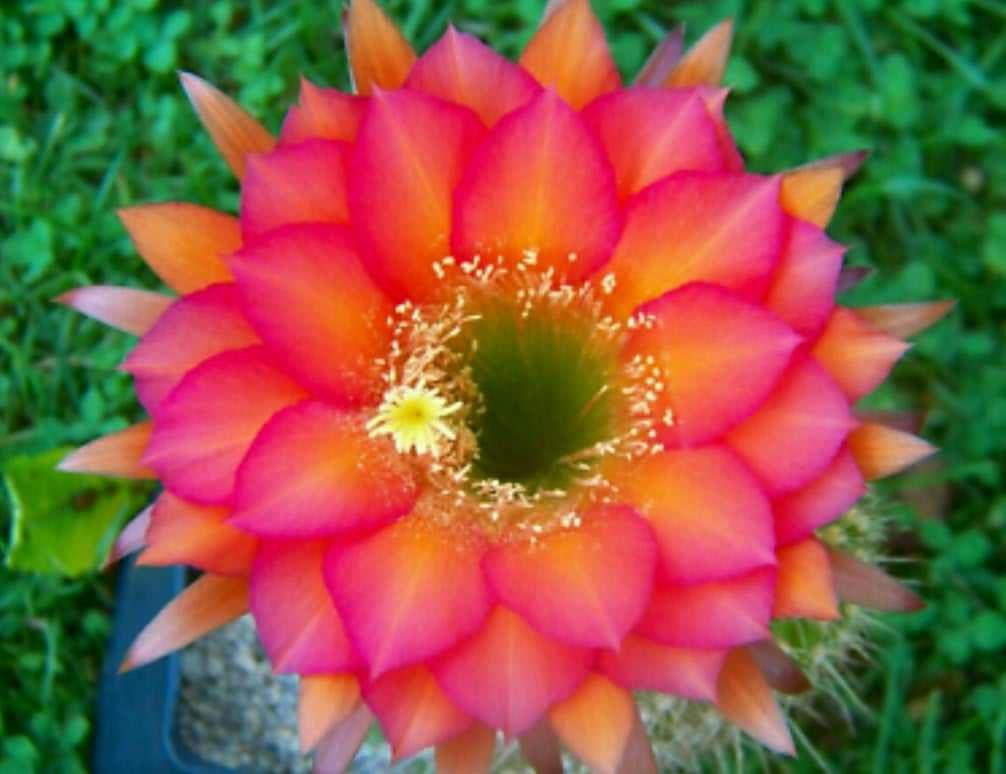
Trichocerous hybrid TS063 BS3
SKU LET422
₹950.00
Sold out
Sold out
Save this product for later
Customer reviews
Reviews only from verified customers
No reviews yet. You can buy this product and be the first to leave a review.
Trichocerous hybrid TS063 BS3
Product Details
Trichocereus Hybrid 'TS063 BS3'
A firework caught mid-bloom — this columnar hybrid opens into an enormous, multi-layered flower of hot pink and tangerine orange, radiating from a mossy-green throat like something built rather than grown. For collectors who want their cactus collection to earn its keep in spectacle.
Origin of Name
The genus name Trichocereus comes from the Greek thrix (θρίξ), genitive trichos, meaning "hair," combined with cereus, Latin for "wax candle" or "torch" — a reference to the tall, columnar growth habit shared by many night- and day-blooming cacti first grouped under Cereus in the 18th century. The "hair" in the name points to the fine, bristly spines or areole hairs found on many species in the group. German botanist Alwin Berger formally split Trichocereus off from the broader Cereus in 1905, creating a home for the robust, large-flowered South American columnar cacti that had been informally lumped together for decades.
Modern molecular taxonomy has since folded most Trichocereus species back into Echinopsis — the same reclassification story that reshaped Lobivia. Growers and collectors, however, have largely kept "Trichocereus" alive in everyday use, partly out of habit and partly because it still does useful work: it signals the tall, tree-like columnar cacti (think San Pedro and its relatives) as distinct from the smaller globular Echinopsis proper.
The suffix 'TS063 BS3' is not a formally registered cultivar epithet but a breeder's seedling code — the kind of shorthand hybridizers use to track parentage and selection through generations of crosses before a plant is ever given a proper trade name.
Origin of Plant
Trichocereus in the broad sense is native to the Andean regions of South America — Peru, Bolivia, Ecuador, Chile, and Argentina — where columnar species scale rocky slopes and high-altitude scrub, some reaching several metres in height over decades. The genus has long been prized both horticulturally and, in a few species, ethnobotanically, for its dramatic nocturnal or dawn-opening flowers.
This particular plant, however, is not a wild collection but a cultivated hybrid — the product of deliberate cross-pollination between two or more Trichocereus/Echinopsis parent lines, selected and grown on by a hybridizer for its flower form and colour. Its "habitat," in truth, is the breeding bench: a controlled cross whose seed was sown, grown out, and evaluated for standout blooms like the one pictured. This is exactly how many of the most spectacular ornamental cactus flowers in cultivation today came to exist — not through nature's slow work alone, but through a grower's patient hand guiding pollen from one exceptional parent to another.
Description
This hybrid puts on one of the more theatrical performances in the cactus world. From a spine-armoured, columnar stem emerges a flower that can rival a dinner plate in diameter — a dense, multi-layered rosette of lance-shaped petals shifting from deep magenta-pink at the tips through fiery orange toward the base, each petal drawn to a sharp point that gives the bloom a starburst silhouette. At the centre, a striking olive-green stigma sits nested in a dense ring of golden-cream stamens, creating a bullseye effect that draws the eye straight to the heart of the flower.
The bloom is fleeting — most Trichocereus-type hybrids open for a day or two, sometimes overnight into the following morning — but the impact is disproportionate to its lifespan. Outside of flowering, the plant carries the classic architecture of its lineage: ribbed, columnar stems studded with areoles bearing spines, giving structural, sculptural interest even when not in bloom.
Conservation Status
The Cactaceae family as a whole is listed under CITES Appendix II, restricting international trade in wild specimens to protect natural populations from over-collection. As a cultivated, artificially propagated hybrid with no wild population of its own, this plant is not itself a conservation concern and typically qualifies for the artificially propagated exemption under CITES when traded — a reflection of how hybridizing has, in some ways, taken commercial pressure off wild-collected specimens of its parent species.
Care
- Light: Full sun to bright light is essential for strong growth and flowering — these hybrids are sun-lovers, and insufficient light will result in weak, etiolated growth and few or no blooms.
- Watering: Water deeply during the active growing season (spring through early autumn), allowing the soil to dry out completely between waterings. Reduce watering significantly in winter to a bare minimum, mimicking the dry dormant season of its Andean ancestry.
- Soil: A fast-draining, mineral-rich cactus mix is critical — heavy on pumice, coarse sand, or grit. A terracotta pot is strongly preferred over plastic, as its porous walls help excess moisture evaporate rather than sit around the roots, reducing the risk of rot.
- Temperature: Tolerates a wide range but grows best between 18–30°C. Protect from prolonged frost, though many Trichocereus-type hybrids can handle brief cool snaps better than more tender cacti.
- Feeding: A diluted, low-nitrogen cactus fertilizer during the growing season supports both structural growth and flower production.
A Story Worth Telling
The columnar South American cacti behind this hybrid's lineage carry a reputation far larger than their garden presence suggests. Species like Trichocereus pachanoi have been used ceremonially by Andean cultures for millennia, and their descendants — bred purely for ornamental beauty rather than any other purpose — now sit in windowsills and greenhouses worldwide, their spectacular flowers the result of hobbyist and professional hybridizers chasing ever bolder colour and form. A plant like 'TS063 BS3' represents that quieter, more recent chapter of cactus history: not a specimen plucked from a mountainside, but one dreamed up on a breeding bench, its parentage a private note in a grower's records, its flower a one-day argument for why the wait was worth it.
You May Also Like
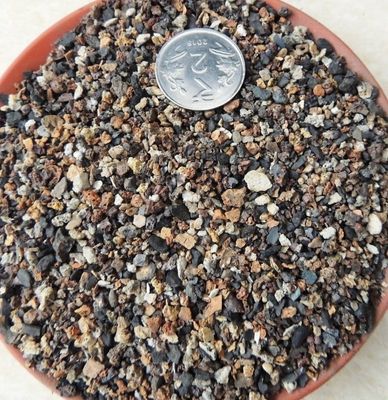

Cactus & Succulent Planting Mix FINE (aka Cactus Soil Mix or Succulent Soil Mix)
Cactus & Succulent Planting Mix FINE (aka Cactus Soil Mix or Succulent Soil Mix)
Fine-Grain Potting Mix for Cactus & Succulent Roots
SKU MNS001
5.0
(3)
₹39.85
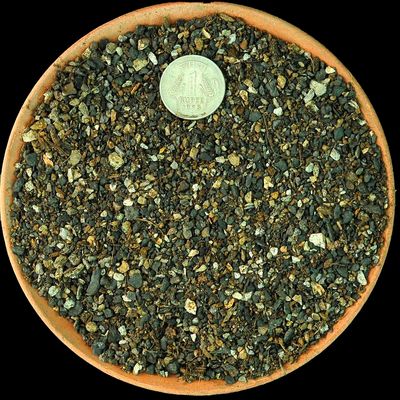
FORTIFIED Cactus & Succulent SOIL (FINE)
FORTIFIED Cactus & Succulent SOIL (FINE)
SKU MNS002
5.0
(4)
₹49.85
New


Monsoon Guardian Kit (5 in 1)
Monsoon Guardian Kit (5 in 1)
Complete 5-in-1 biological protection kit for cacti & succulents
SKU MNS024
₹850.00
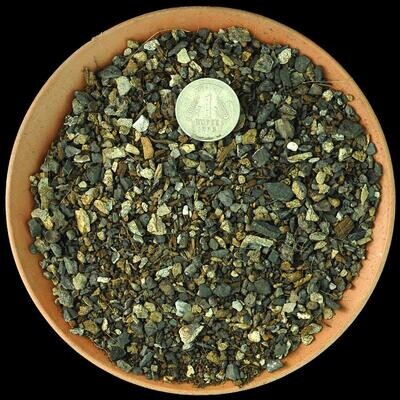
FORTIFIED Cactus & Succulent SOIL (COARSE)
FORTIFIED Cactus & Succulent SOIL (COARSE)
SKU MNS004
5.0
(11)
₹54.85
Display prices in:INR
