
Categories
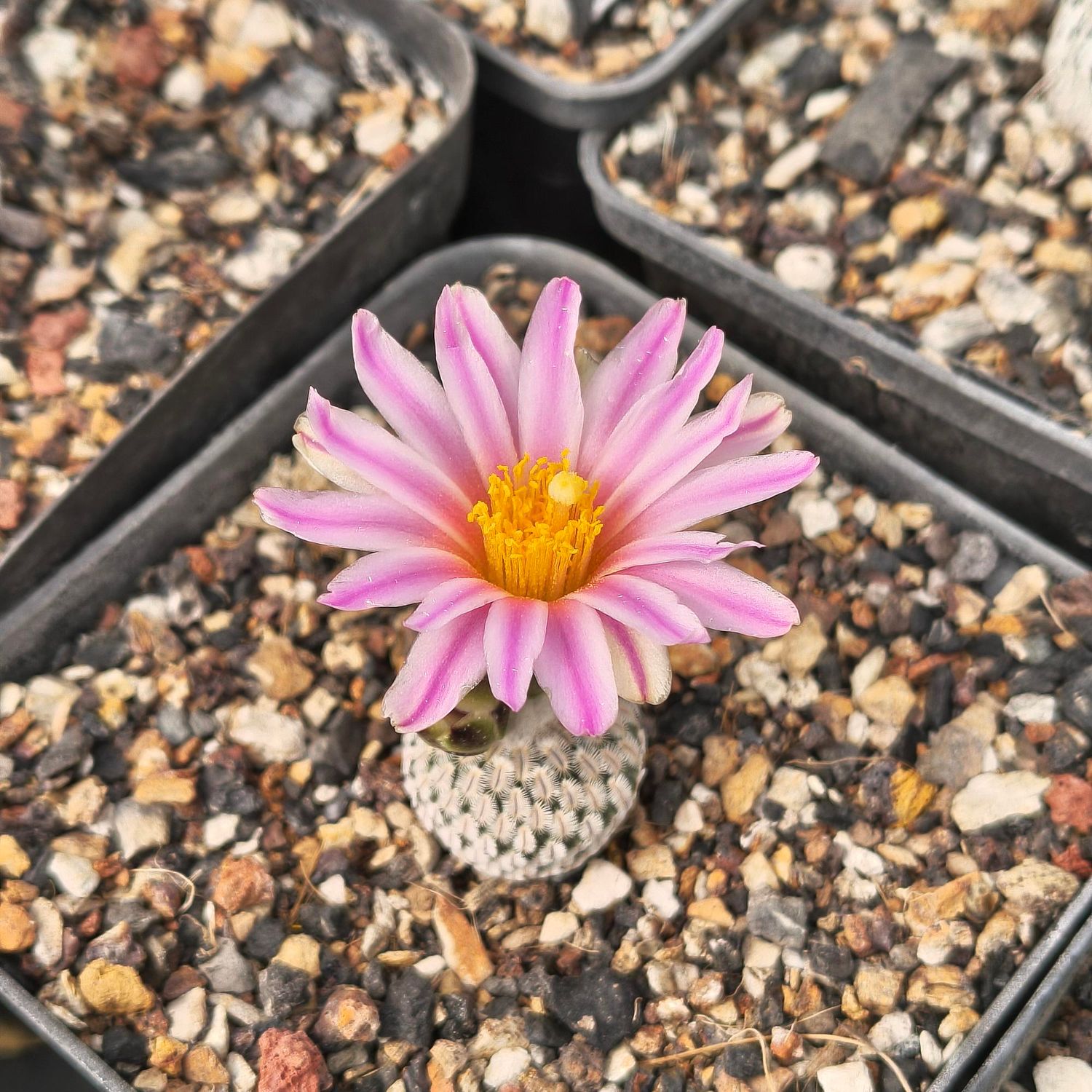
Turbinicarpus pseudopectinatus ssp pseudopectinatus
SKU TUR002
₹450.00
In stock: 1 available
1
Save this product for later
Customer reviews
Reviews only from verified customers
No reviews yet. You can buy this product and be the first to leave a review.
Turbinicarpus pseudopectinatus ssp pseudopectinatus
Product Details
Miniature Masterpiece: Turbinicarpus pseudopectinatus ssp. pseudopectinatus
A rare living jewel for the connoisseur, prized for its intricate, comb-like spine patterns and diminutive stature.
- Origin & History of Name The genus name Turbinicarpus is derived from the Latin turbo (spinning top) and the Greek karpos (fruit), referencing the shape of the seed pods.
The specific epithet pseudopectinatus combines the Greek pseudo (false) with the Latin pectinatus (comb-like). This name was chosen by botanists to distinguish it from the Pelecyphora genus, which features a similar "comb" spine structure but is genetically distinct. - Morphology This miniature cactus features a globose (spherical) epidermis that remains small, rarely exceeding 3cm in diameter. Its most striking feature is the pectinate spine arrangement: pure white, feathery spines that are pressed flat against the plant body, completely obscuring the green tissue.
These spines emerge from elongated areoles on small tubercles, mimicking the appearance of a delicate lace or a series of tiny combs. - Habitat & Origin This is a wild species native to the high-altitude Chihuahuan Desert in Mexico (specifically San Luis Potosí and Nuevo León).
It grows in limestone-rich soils under the protection of nurse plants. Our specimens are nursery-grown from seed, ensuring the protection of wild populations and adherence to sustainable horticultural practices. - Cultivation Profile
- Substrate: A strictly mineral-based mix is essential. Use a blend of 80% grit (lava rock, pumice, or crushed brick) and 20% organic matter to prevent root rot.
- Light: High-intensity light or full sun is required to maintain its compact shape. In the Indian summer, provide 30% shade cloth protection during peak afternoon hours (12 PM – 4 PM) to prevent scorching.
- Water/Dormancy: Water sparingly during the growing season (March–September) only when the substrate is bone-dry. In the Indian monsoon and winter, maintain strict dry dormancy; high humidity and wet feet are the primary causes of loss.
- Scientific/Historical Anecdote Despite its fragile appearance, Turbinicarpus pseudopectinatus is a geological specialist. In its native habitat, it is known for "geatrophy"—the ability to shrink and retract almost entirely underground during periods of extreme drought, effectively using the earth as a thermal insulator until the rains return.
You May Also Like

FORTIFIED Cactus & Succulent SOIL (FINE)
FORTIFIED Cactus & Succulent SOIL (FINE)
SKU MNS002
5.0
(4)
₹49.85

Cactus Seed Planting Mix
Cactus Seed Planting Mix
Sterile, Fine-Grain Media for Cactus & Succulent Seeds
SKU MNS005
₹74.85
New

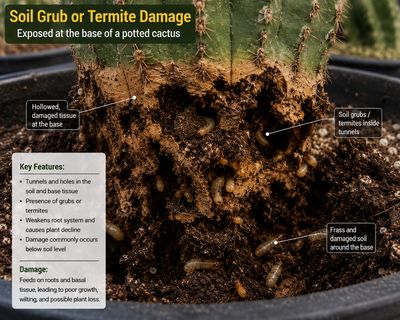
Monsoon Guardian Kit (5 in 1)
Monsoon Guardian Kit (5 in 1)
Complete 5-in-1 biological protection kit for cacti & succulents
SKU MNS024
₹850.00

Cactus & Succulent Planting Mix COARSE (aka Cactus Soil Mix or Succulent Soil Mix)
Cactus & Succulent Planting Mix COARSE (aka Cactus Soil Mix or Succulent Soil Mix)
Washed, Free-Draining Mineral Mix for Cactus & Succulents
SKU MNS003
5.0
(1)
₹44.85
Display prices in:INR
