
Categories
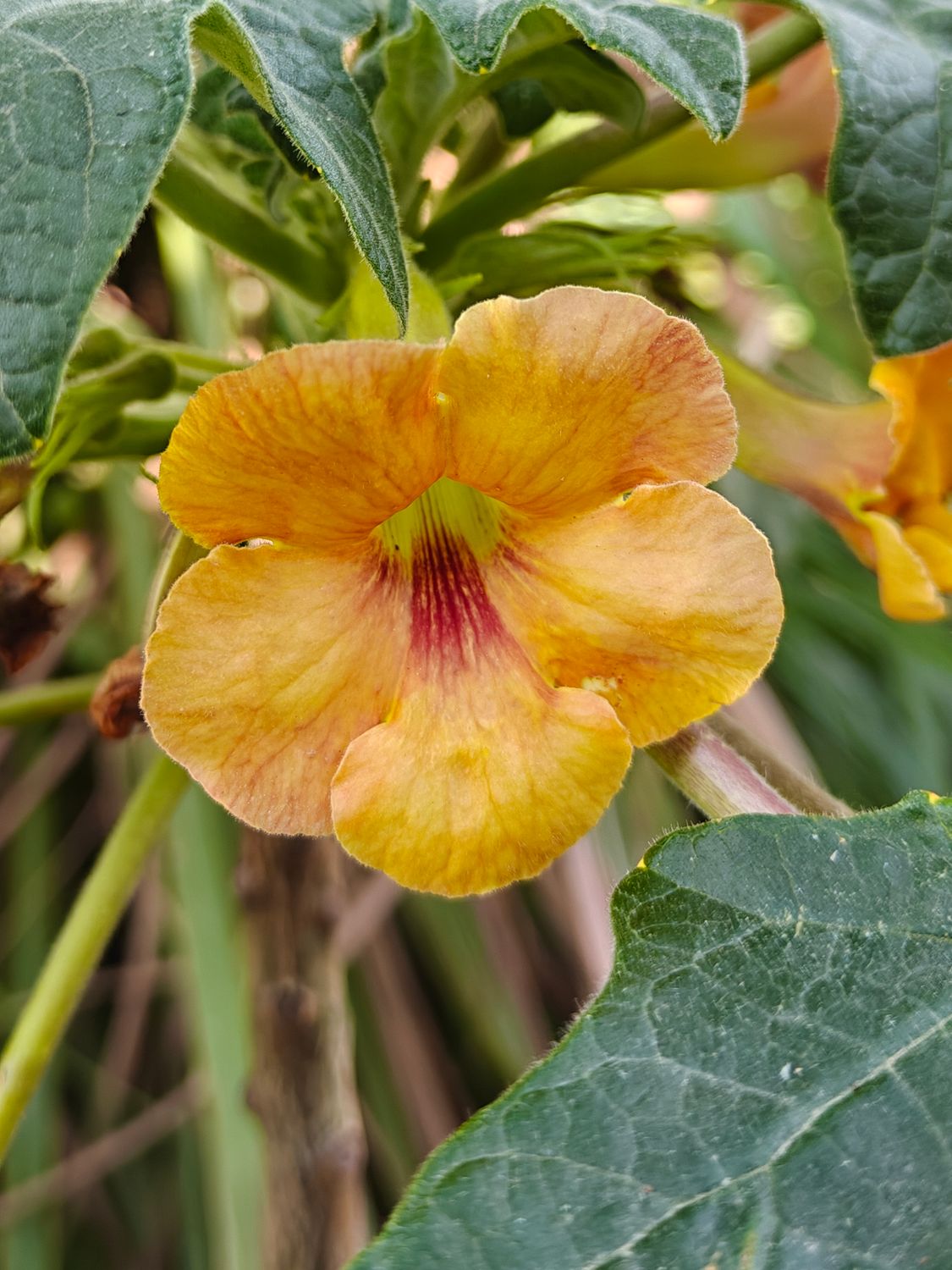
Uncarina Hybrid 'Marigold Ember'
SKU UN016
₹2 250.00
In stock: 1 available
1
Save this product for later
Customer reviews
Reviews only from verified customers
No reviews yet. You can buy this product and be the first to leave a review.
Uncarina Hybrid 'Marigold Ember'
Product Details
Uncarina Hybrid 'Marigold Ember'
A stout, velvety-leaved caudiciform from the dry forests of Madagascar, crowned with wide, trumpet-shaped blooms that open a warm marigold-orange and deepen at the throat into a smouldering garnet-red — the two-tone glow that gives this seedling its name.
Origin of Name
The genus name Uncarina is Latin-rooted botanical shorthand for "little hook" — from uncus, "hook" — and was chosen because the genus's strange, barbed seed pods so closely resemble those of the unrelated Asian genus Uncaria (itself named for the same hooked fruit) that the Austrian botanist Otto Stapf coined Uncarina in 1895, in Engler and Prantl's great reference work Die natürlichen Pflanzenfamilien, specifically to flag the resemblance while keeping the two genera taxonomically distinct. All fourteen accepted species are endemic to Madagascar and belong to the sesame family, Pedaliaceae — a family better known for the edible sesame plant than for succulent, caudex-forming shrubs, which makes Uncarina something of an eccentric relative at the family table.
This particular plant is a nursery-raised hybrid rather than a single wild species, so it carries no formal botanical epithet of its own. Uncarina hybrids are typically grown from seed collected across mixed plantings of species such as Uncarina grandidieri and U. roeoesliana — both popular parents prized for exactly this kind of large, showy, trumpet flower — and the resulting seedlings throw a wide, unpredictable range of flower colour, from pale butter-yellow through deep apricot to near red, each with its own throat markings. In the absence of a registered cultivar name, we've named this particular seedling 'Marigold Ember' for its flower colour specifically: bright marigold-orange petals radiating outward from a throat that glows a deep, ember-like garnet-red, veined through with darker streaks — a naming approach common across the hybrid succulent trade, where a plant's most obvious visual signature often becomes its working name in the absence of a formal one.
Origin of Plant
Every Uncarina species is native exclusively to Madagascar, concentrated in the island's hot, dry, deciduous forests and scrubland of the west and south — the same arid habitat that also produces the island's famous baobabs. Uncarina grandidieri, one of the species most often behind hybrids like this one, honours the French naturalist and explorer Alfred Grandidier (1836–1921), who crossed Madagascar three times on foot between 1865 and 1868, covering some 3,000 km inland and 2,500 km along the coast, and went on to produce the monumental 40-volume Histoire physique, naturelle et politique de Madagascar documenting the island's natural history in a level of detail no one had previously attempted. Grandidier's name lives on across Madagascar's flora and fauna today, most famously in the giant Grandidier's baobab (Adansonia grandidieri), and Uncarina is simply one more small tribute among many.
This hybrid itself was raised entirely in cultivation, its parent species grown side by side in nursery collections and allowed to cross-pollinate, or hand-crossed deliberately, far from Madagascar's own spiny, sun-baked forest floor — a common path by which showy caudiciform hybrids reach the wider succulent trade today.
Description
This is a semi-succulent, deciduous shrublet built around a swollen, woody caudex at the base of the stem — a water-storage organ that thickens with age much like a camel's hump, letting the plant sail through long dry spells by drawing on reserves built up during the rains. Above the caudex, soft, stout branches carry broad, lobed leaves with a distinctly velvety, hairy texture and a faintly musty scent when handled or crushed.
The flowers are the plant's real showpiece: large, solitary, trumpet- or petunia-shaped blooms that open flat-faced from a narrow tube, five broad lobes spreading wide in a warm marigold-orange shading almost to gold at the outer edge. At the centre, the colour deepens abruptly into a rich garnet-red throat, streaked with fine darker veining that fans outward into the petals like the last embers of a fire — a bold, high-contrast pattern typical of the showiest Uncarina hybrids, and pollinated in the wild by moths and other long-tongued visitors drawn to that same throat colour. Later in the season, spent flowers give way to the genus's famously strange seed capsules: woody pods armed with small, curved, barbed hooks, tough enough to snag on animal fur (and, at least anecdotally, on the occasional unlucky rodent) as a means of seed dispersal — the trait that earns various Uncarina species the common name "mousetrap plant" or "mousetrap tree."
Conservation Status
As a cultivated hybrid, this plant has no conservation listing of its own — it's propagated in nurseries, not collected from the wild. Its wild Malagasy relatives are a different story: Madagascar's dry deciduous forests, the native habitat of the entire genus, are currently protected across only a small fraction of their original extent and continue to shrink under pressure from slash-and-burn agriculture, grazing, logging, and wildfire, with conservation bodies flagging the ecoregion as badly under-protected relative to its biodiversity. Growing a nursery-bred hybrid like this one is a pleasant way to enjoy the genus's striking flowers and sculptural form without adding any collection pressure to Madagascar's dwindling dry forest itself.
Care
Light: Bright light is essential for strong flowering — full sun to lightly filtered sun outdoors, or the brightest available spot indoors, with some tolerance for gentle morning sun even in a young plant.
Watering: Water generously through the warm growing season, letting the topsoil dry between waterings, then cut back sharply as the plant drops its leaves for winter dormancy — keep it nearly dry while the caudex rests, resuming regular watering only once new growth appears in spring.
Soil: A rich but very free-draining succulent or cactus mix suits it best; good drainage around that swollen caudex base matters far more than rich feeding.
Temperature: A true warm-climate plant that resents cold and damp in equal measure — protect it below about 2°C (35°F), and always prioritise dry roots over any attempt at winter humidity.
General tips: Feed sparingly with a diluted, low-nitrogen fertiliser during active growth to encourage flowering rather than soft leaf growth. Uncarinas are notoriously slow and difficult to propagate from seed or cuttings, so a healthy young hybrid like this is worth the patience — handle the eventual seed pods with care, since their hooked barbs are genuinely sharp.
An Interesting Note
The same hooked seed pods that give Uncarina its scientific name and its "mousetrap" nickname are a small, elegant piece of evolutionary engineering: built to snag in the fur of passing animals on Madagascar's dry forest floor and hitch a ride to new ground, much like a burr on a sock. It's a fittingly stubborn strategy for a plant genus that has otherwise built its entire survival plan around patience — storing water in a woody caudex through months of drought, dropping its leaves to wait out the dry season, and then, when the rains finally come, throwing out flowers as bold and improbable as this one's marigold-and-garnet blaze.
You May Also Like

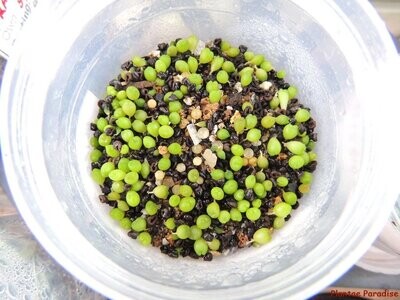
Cactus Seed Planting Mix
Cactus Seed Planting Mix
Sterile, Fine-Grain Media for Cactus & Succulent Seeds
SKU MNS005
₹74.85
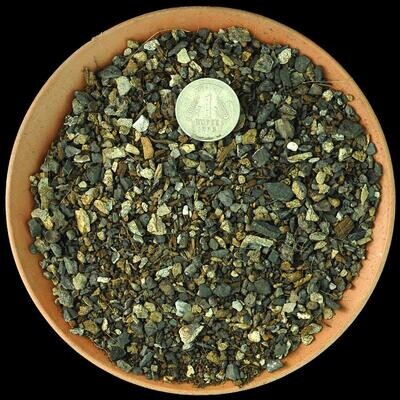
FORTIFIED Cactus & Succulent SOIL (COARSE)
FORTIFIED Cactus & Succulent SOIL (COARSE)
SKU MNS004
5.0
(11)
₹54.85
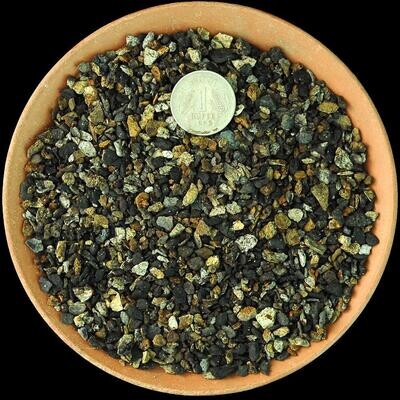
Cactus & Succulent Planting Mix COARSE (aka Cactus Soil Mix or Succulent Soil Mix)
Cactus & Succulent Planting Mix COARSE (aka Cactus Soil Mix or Succulent Soil Mix)
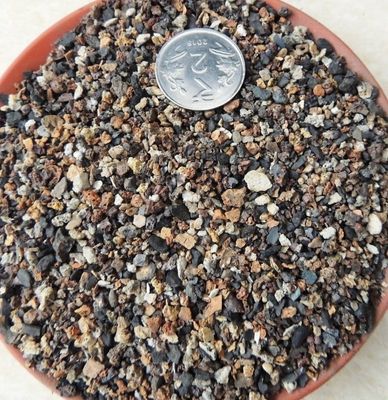
Washed, Free-Draining Mineral Mix for Cactus & Succulents
SKU MNS003
5.0
(1)
₹44.85
Cactus & Succulent Planting Mix FINE (aka Cactus Soil Mix or Succulent Soil Mix)
Cactus & Succulent Planting Mix FINE (aka Cactus Soil Mix or Succulent Soil Mix)
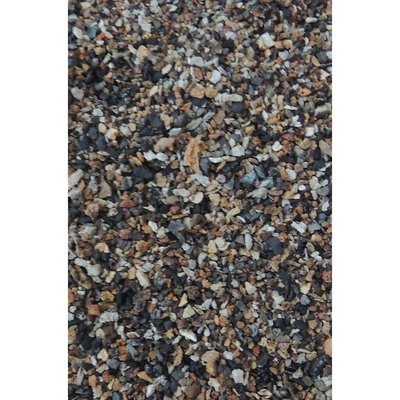
Fine-Grain Potting Mix for Cactus & Succulent Roots
SKU MNS001
5.0
(3)
₹39.85
Display prices in:INR
