
Categories
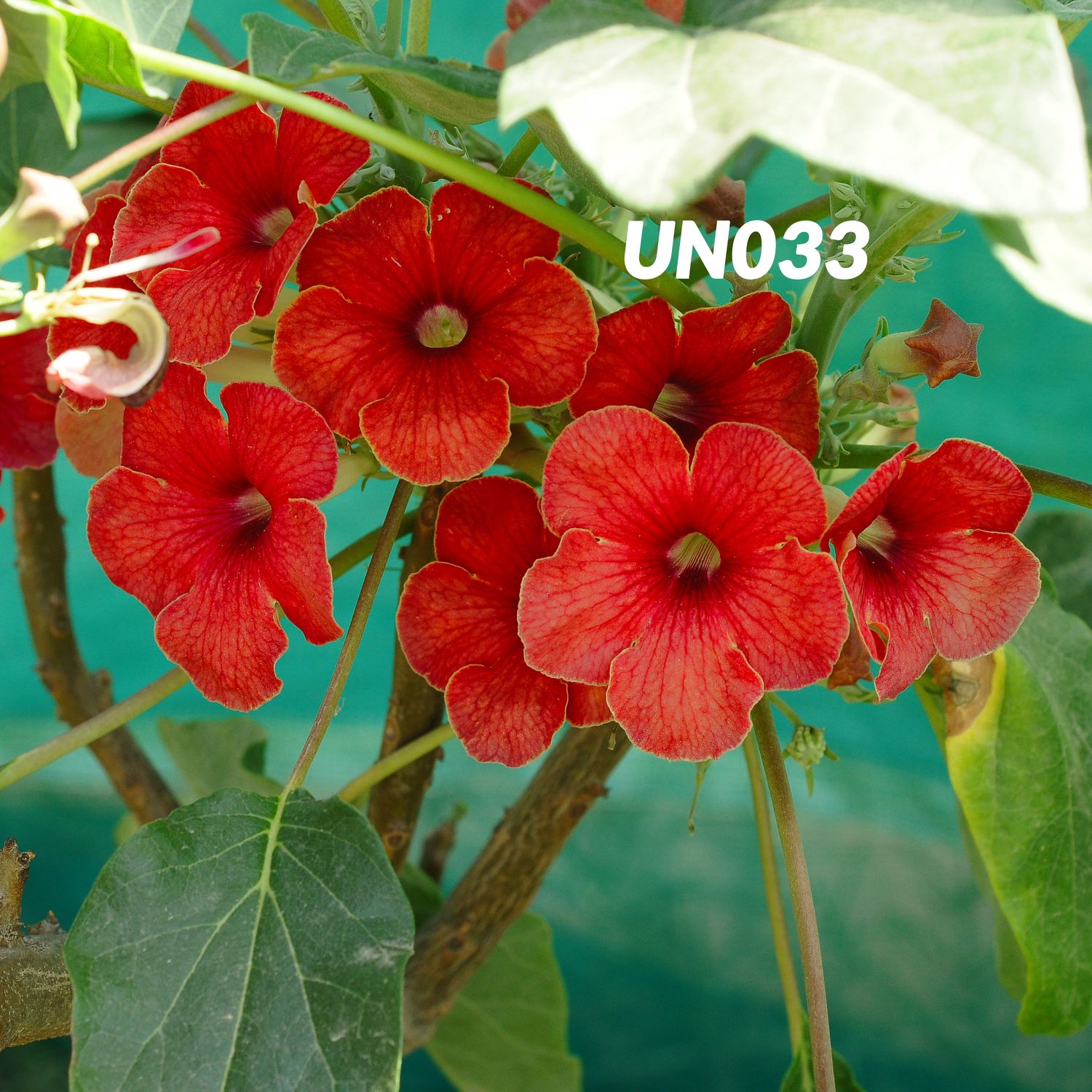
Uncarina hybrid - Cherry Red
SKU UN033
₹1 500.00
In stock: 1 available
1
Save this product for later
Customer reviews
Reviews only from verified customers
No reviews yet. You can buy this product and be the first to leave a review.
Uncarina hybrid - Cherry Red
Product Details
Bold Statement: Uncarina Hybrid 'Cherry Red'
Colour and plant size as shown. GRAFTED PLANT.
- Origin & History of Name: The name Uncarina comes from the Greek for "hook" (onkos/unkos), referring to the hooked fruit capsules that distinguish the genus. A member of the Pedaliaceae (sesame) family, Uncarina has been cultivated and hybridised over the years to broaden its naturally narrow colour palette. This particular cross was developed specifically to introduce a distinctive new tone into that palette.
- Morphology: This specimen is a pachycaul succulent with a swollen, water-storing trunk and soft, pubescent (fuzzy), lobed leaves. Bold, saturated cherry-red petals are veined in a slightly deeper red and open around a small dark maroon throat, one of the most intensely coloured blooms in the range.
- Habitat & Origin: This plant is a cultivar, the product of deliberate hybridisation among Uncarina species native to the arid, deciduous thickets of Madagascar. The exact colour combination shown does not occur in the wild; it exists only through controlled breeding and grafting. All specimens are nursery-propagated, so no wild Madagascan plants are disturbed in producing this hybrid.
- Cultivation Profile:
- Substrate: Use a high-porosity, mineral-dominant mix — roughly 60% grit (coarse sand, scoria, or pumice) to 40% aged compost or coco-peat — to support the swollen root system while preventing waterlogging.
- Light: Bright, indirect light or filtered sun suits it best. During peak Indian summer, 30–50% shade helps prevent leaf scorch, while good light levels encourage the strongest flower colour.
- Water/Dormancy: Water regularly through the monsoon and summer growing season. As a deciduous succulent it goes fully dormant in winter — once the leaves yellow and drop (typically around December in India), stop watering entirely until new growth resumes, to protect the caudex from rot.
- Scientific/Historical Anecdote: Uncarina is well known among botanists for its "hitchhiker" seed pods — the fruit capsules are studded with tough, woody hooks so effective at gripping fur that Malagasy communities have historically used them as natural hair ornaments and combs. Unusually for a succulent, Uncarina flowers are typically pollinated by beetles rather than bees, which is reflected in the sturdy, waxy texture of the petals.
You May Also Like

Cactus & Succulent Planting Mix COARSE (aka Cactus Soil Mix or Succulent Soil Mix)
Cactus & Succulent Planting Mix COARSE (aka Cactus Soil Mix or Succulent Soil Mix)
Washed, Free-Draining Mineral Mix for Cactus & Succulents
SKU MNS003
5.0
(1)
₹44.85
New
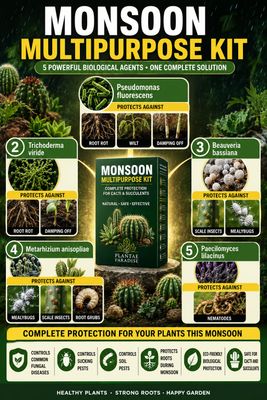
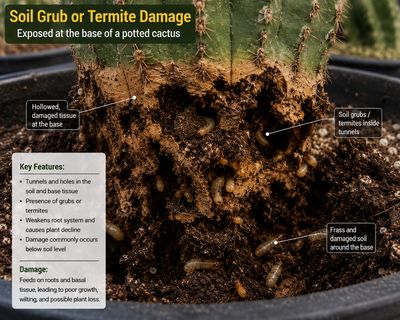
Monsoon Guardian Kit (5 in 1)
Monsoon Guardian Kit (5 in 1)
Complete 5-in-1 biological protection kit for cacti & succulents
SKU MNS024
₹850.00
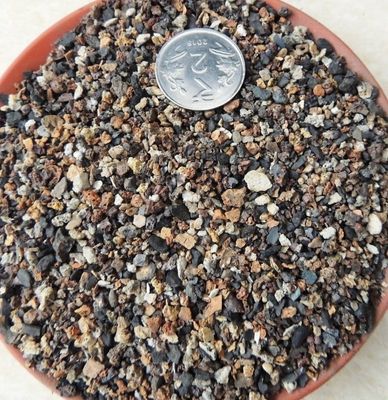
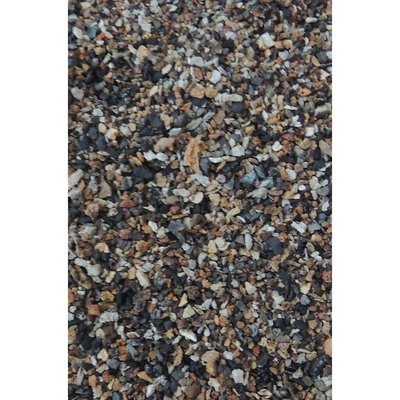
Cactus & Succulent Planting Mix FINE (aka Cactus Soil Mix or Succulent Soil Mix)
Cactus & Succulent Planting Mix FINE (aka Cactus Soil Mix or Succulent Soil Mix)
Fine-Grain Potting Mix for Cactus & Succulent Roots
SKU MNS001
5.0
(3)
₹39.85

FORTIFIED Cactus & Succulent SOIL (COARSE)
FORTIFIED Cactus & Succulent SOIL (COARSE)
SKU MNS004
5.0
(11)
₹54.85
Display prices in:INR
