
Categories
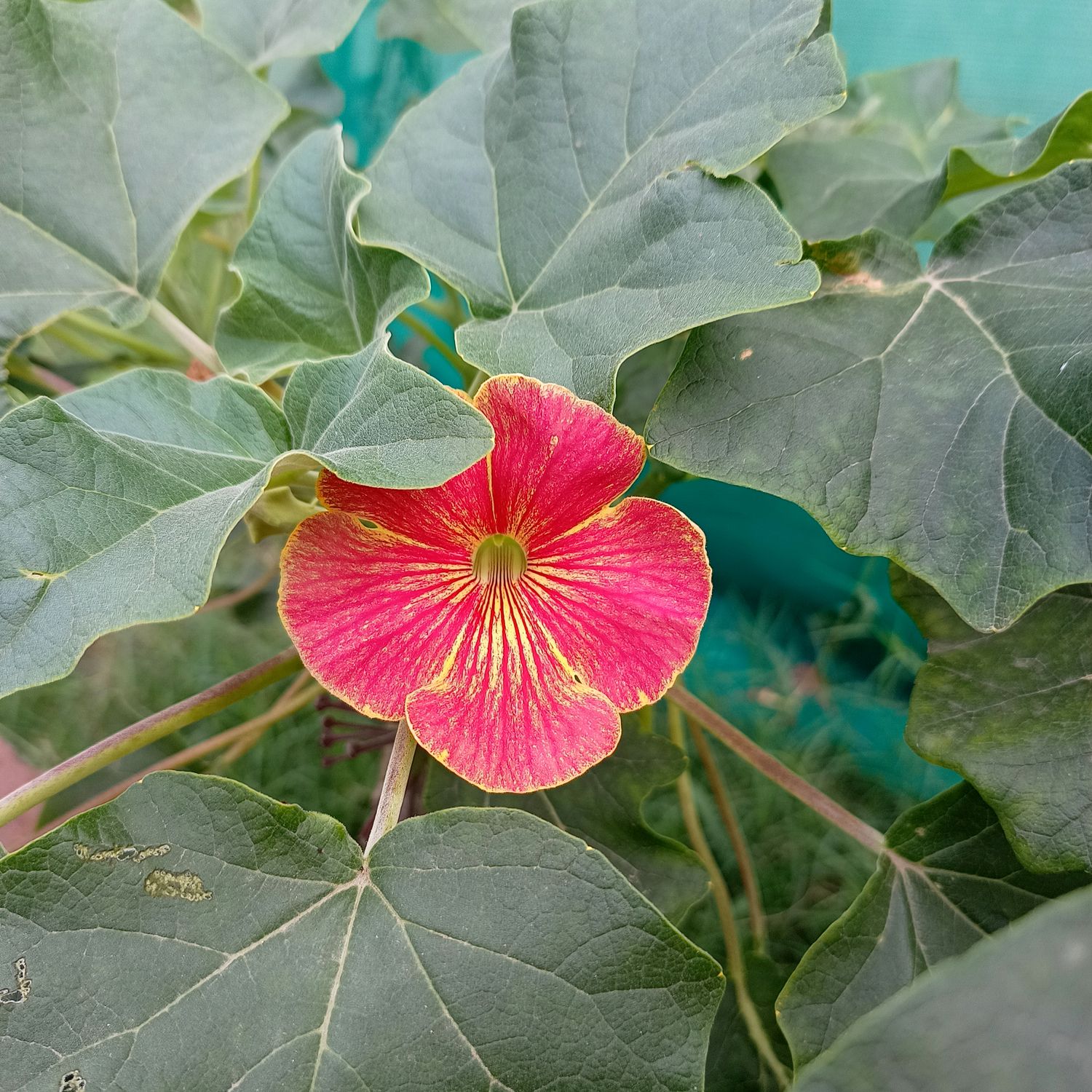
Uncarina hybrid - Red n Gold
SKU UN021
₹1 200.00
In stock: 1 available
1
Save this product for later
Customer reviews
Reviews only from verified customers
No reviews yet. You can buy this product and be the first to leave a review.
Uncarina hybrid - Red n Gold
Product Details
Regal Contrast: Uncarina Hybrid 'Red n Gold'
Colour and plant size as shown. GRAFTED PLANT.
- Origin & History of Name: The genus name Uncarina is derived from the Greek onkos (hook), a direct reference to the uncinate, hooked appendages found on the plant's distinctive seed capsules. First classified within the Pedaliaceae (sesame) family by German botanist Hans-Dieter Ihlenfeldt, the genus has since become a favourite among collectors for its striking flower colours. This particular hybrid is the result of deliberate cross-breeding work aimed at expanding that colour range beyond the wild species' typical yellow.
- Morphology: This specimen is a pachycaul succulent with a swollen, water-storing trunk and soft, pubescent (fuzzy), lobed leaves. Vivid rose-red petals are dramatically veined in golden-yellow, the two colours running the full length of each petal for a striking bicolour effect.
- Habitat & Origin: Like all Uncarina hybrids, this variety does not occur naturally — it is the outcome of selective cross-breeding among species endemic to Madagascar's dry deciduous forests. Every plant we offer is nursery-grown and grafted under cultivation, keeping wild populations untouched.
- Cultivation Profile:
- Substrate: Use a high-porosity, mineral-dominant mix — roughly 60% grit (coarse sand, scoria, or pumice) to 40% aged compost or coco-peat — to support the swollen root system while preventing waterlogging.
- Light: Bright, indirect light or filtered sun suits it best. During peak Indian summer, 30–50% shade helps prevent leaf scorch, while good light levels encourage the strongest flower colour.
- Water/Dormancy: Water regularly through the monsoon and summer growing season. As a deciduous succulent it goes fully dormant in winter — once the leaves yellow and drop (typically around December in India), stop watering entirely until new growth resumes, to protect the caudex from rot.
- Scientific/Historical Anecdote: The genus is famous for its barbed, "hitchhiker" fruit, evolved to snag onto passing animal fur for seed dispersal — a strategy so effective that the hooked pods were historically repurposed by Malagasy people as natural hairbrushes. The flowers themselves are chiefly pollinated by beetles rather than bees, an unusual trait that shapes the plant's thick, waxy petal structure.
You May Also Like

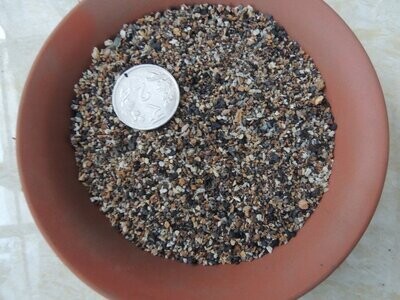
Cactus & Succulent Planting Mix COARSE (aka Cactus Soil Mix or Succulent Soil Mix)
Cactus & Succulent Planting Mix COARSE (aka Cactus Soil Mix or Succulent Soil Mix)
Washed, Free-Draining Mineral Mix for Cactus & Succulents
SKU MNS003
5.0
(1)
₹44.85
Cactus Seed Planting Mix
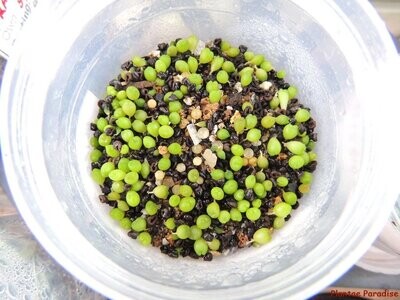
Cactus Seed Planting Mix
Sterile, Fine-Grain Media for Cactus & Succulent Seeds
SKU MNS005
₹74.85

FORTIFIED Cactus & Succulent SOIL (COARSE)
FORTIFIED Cactus & Succulent SOIL (COARSE)
SKU MNS004
5.0
(11)
₹54.85


Cactus & Succulent Planting Mix FINE (aka Cactus Soil Mix or Succulent Soil Mix)
Cactus & Succulent Planting Mix FINE (aka Cactus Soil Mix or Succulent Soil Mix)
Fine-Grain Potting Mix for Cactus & Succulent Roots
SKU MNS001
5.0
(3)
₹39.85
Display prices in:INR
