
Categories
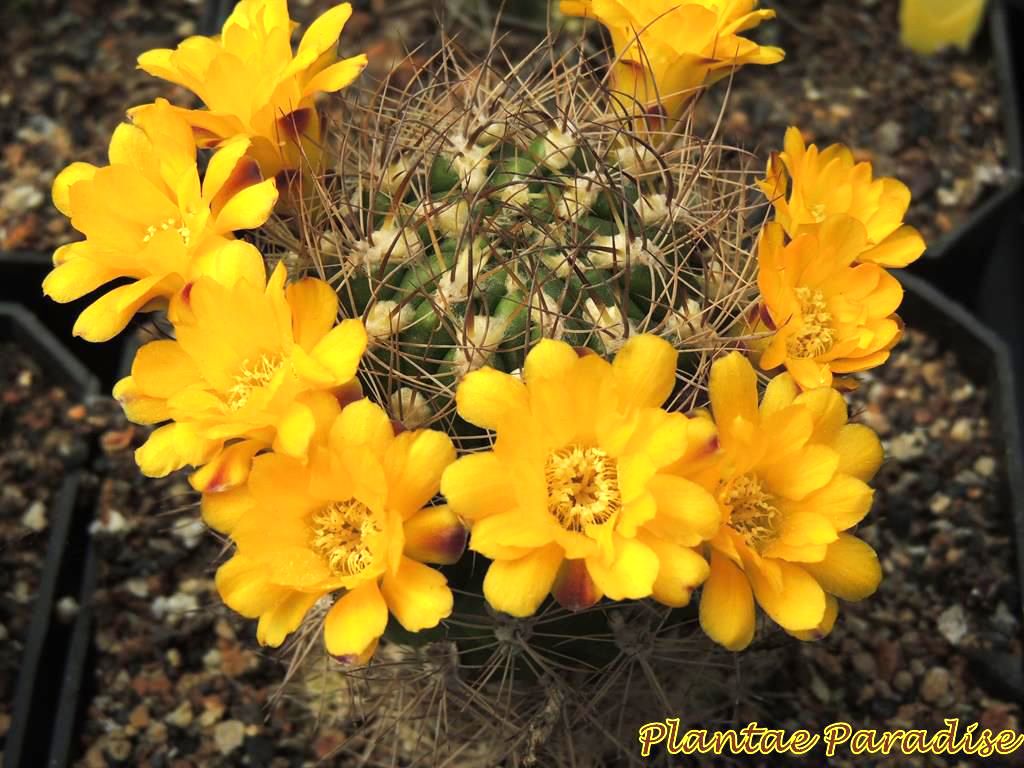
Weingartia lanata (Orange Flr)
SKU WE005
₹650.00
Sold out
Sold out
Save this product for later
Customer reviews
Reviews only from verified customers
No reviews yet. You can buy this product and be the first to leave a review.
Weingartia lanata (Orange Flr)
Product Details
Vibrant Resilience: Weingartia lanata (Orange Flower)
A high-altitude marvel prized by collectors for its dense woolly crown and brilliant sunset-hued blooms.
- Origin & History of Name: The genus name Weingartia honors Wilhelm Weingart (1856–1936), a German cactus specialist.
The specific epithet lanata is derived from the Latin lanatus, meaning "woolly," referencing the thick areolar wool characteristic of the species. Historically, this plant has been subject to botanical reshuffling, often appearing in collections under the genus Rebutia or Sulcorebutia. - Morphology: This solitary, globose cactus features a flattened-spherical epidermis (skin) that ranges from grey-green to dark olive. It is distinguished by its pronounced tubercular costae (ribs divided into bumps) and deeply recessed, woolly areoles. Unlike many desert cacti, its spines are relatively short and pectinate (comb-like). Its primary draw is the funnelform orange flowers that emerge from the lower sides of the plant rather than the apex.
- Habitat & Origin: This is a wild species native to the high-elevation rocky slopes of Chuquisaca and Potosí in Bolivia.
It grows at altitudes between 2,000 and 3,000 meters. Our specimens are nursery-grown from seed, ensuring that wild populations remain undisturbed and sustainable. - Cultivation Profile:
- Substrate: Use a strictly mineral-based mix. A ratio of 70% inorganic material (pumice, perlite, or crushed brick) to 30% organic matter is ideal for the Indian climate to prevent root rot.
- Light: Requires bright, indirect sunlight.
In India, provide 40-50% shade during the intense summer months (April–June) to avoid scorching the epidermis. - Water/Dormancy: Follow a "soak and dry" method during the growing season. During the monsoon and winter, withhold water almost entirely. This species requires a cool, dry dormancy to trigger its spring flowering.
- Scientific/Historical Anecdote: Weingartia species are known for their "geophytic" tendency in the wild. During extreme droughts, the plant can actually retract partially into the soil using its thick taproot, protecting itself from dehydration and intense UV radiation—a biological "vanishing act" that has fascinated field botanists for decades.
You May Also Like

Cactus & Succulent Planting Mix COARSE (aka Cactus Soil Mix or Succulent Soil Mix)
Cactus & Succulent Planting Mix COARSE (aka Cactus Soil Mix or Succulent Soil Mix)
Washed, Free-Draining Mineral Mix for Cactus & Succulents
SKU MNS003
5.0
(1)
₹44.85
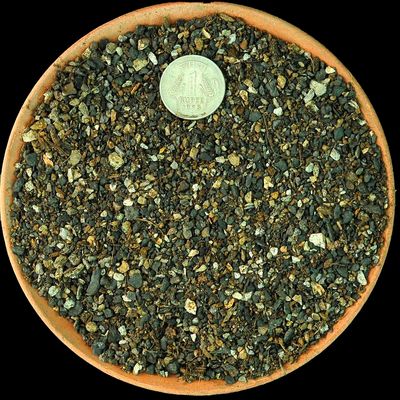
FORTIFIED Cactus & Succulent SOIL (FINE)
FORTIFIED Cactus & Succulent SOIL (FINE)
SKU MNS002
5.0
(4)
₹49.85
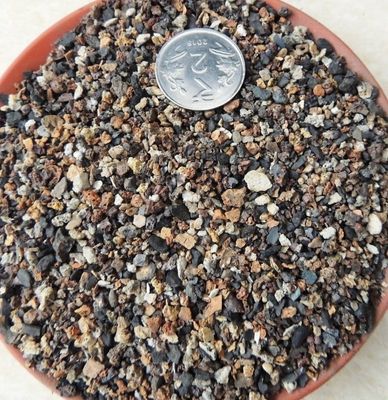
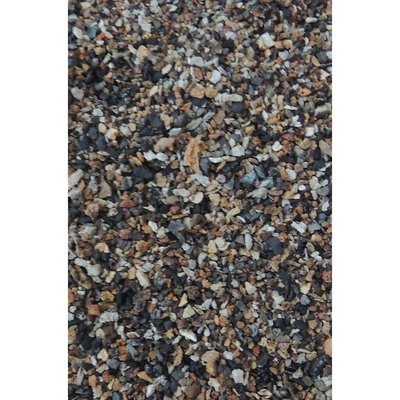
Cactus & Succulent Planting Mix FINE (aka Cactus Soil Mix or Succulent Soil Mix)
Cactus & Succulent Planting Mix FINE (aka Cactus Soil Mix or Succulent Soil Mix)
Fine-Grain Potting Mix for Cactus & Succulent Roots
SKU MNS001
5.0
(3)
₹39.85
New
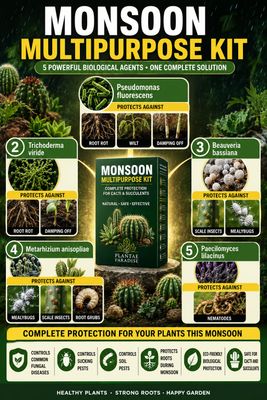
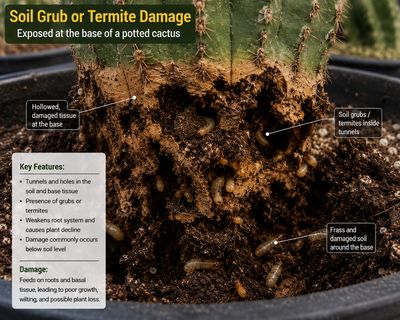
Monsoon Guardian Kit (5 in 1)
Monsoon Guardian Kit (5 in 1)
Complete 5-in-1 biological protection kit for cacti & succulents
SKU MNS024
₹850.00
Display prices in:INR
