
Categories
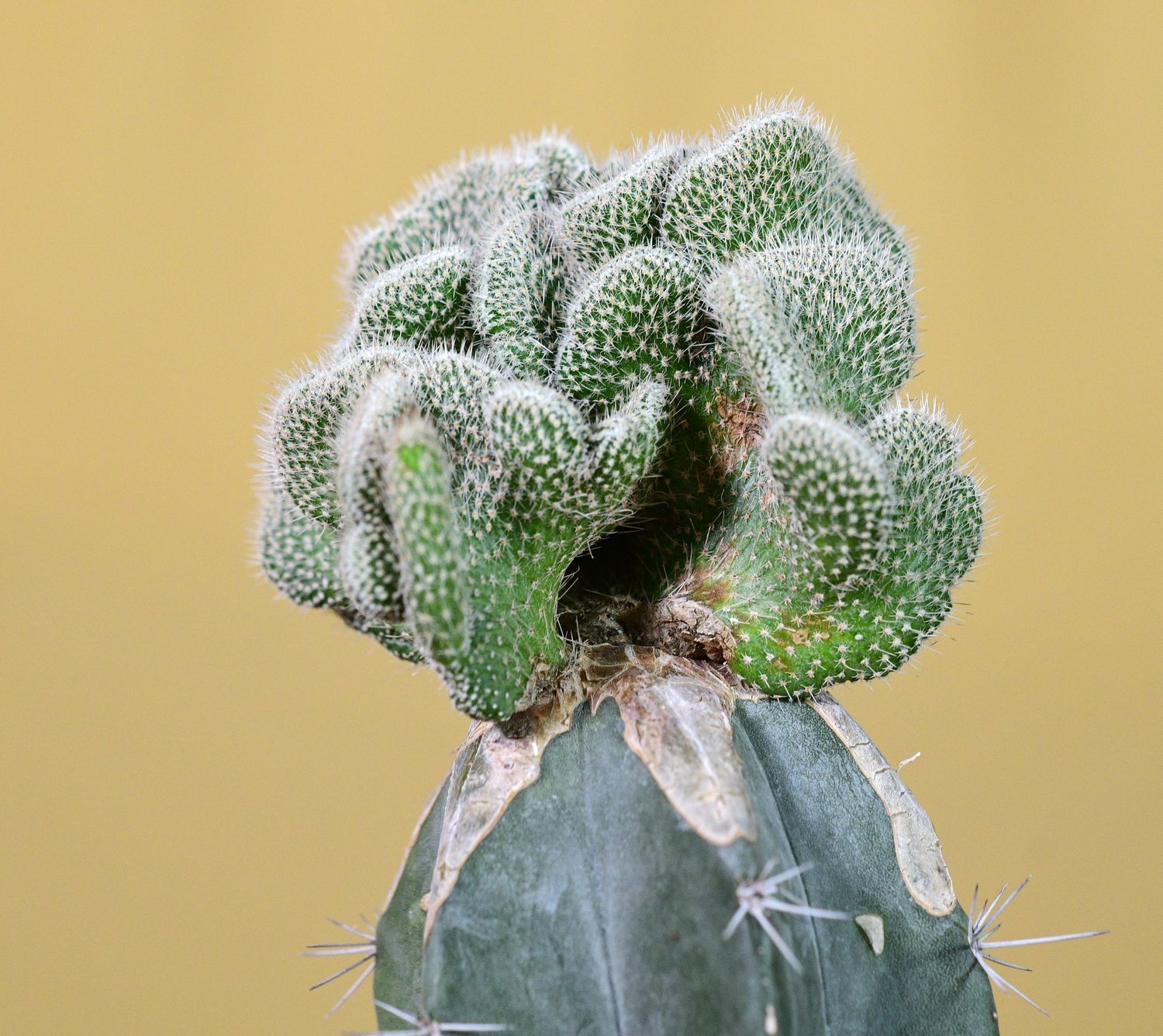
Wilcoxia kroenleinii A. Cartier crest
SKU WX006Gb
₹550.00
Sold out
Sold out
Save this product for later
Customer reviews
Reviews only from verified customers
No reviews yet. You can buy this product and be the first to leave a review.
Wilcoxia kroenleinii A. Cartier crest
Product Details
Architectural Rarety: Wilcoxia kroenleinii A. Cartier crest
A sculptural masterpiece for the connoisseur, this crested form offers a sophisticated, undulating silhouette rarely seen in private collections.
1. Origin & History of Name
The genus Wilcoxia (now often taxonomically integrated into Echinocereus) was named in honor of Brigadier General Timothy E. Wilcox, a 19th-century U.S. Army surgeon and avid botanist.
2. Morphology
This specimen exhibits fasciation, a mutation where the stem flattens into a tight, wavy ribbon. Its epidermis is a muted grey-green, adorned with fine, bristly spines that follow the intricate folds of the crest. Unlike the cylindrical tuberous stems of the standard species, the crested form emphasizes surface area, showcasing dense areoles and a complex, brain-like architecture that develops unique patterns as it matures.
3. Habitat & Origin
While the base species Wilcoxia kroenleinii is native to the arid regions of Coahuila, Mexico, the crested form is a rare horticultural cultivar. This specific selection is propagated via sustainable greenhouse grafting or cuttings, ensuring that wild populations in the Chihuahuan Desert remain undisturbed while providing enthusiasts with a stable, high-quality specimen.
4. Cultivation Profile
- Substrate: Requires a highly porous, mineral-based mix. Use a ratio of 70% inorganic material (pumice, perlite, or crushed brick) to 30% organic compost to prevent root rot.
- Light: Thrives in bright, indirect sunlight. In the Indian subcontinent, protect from the harsh afternoon sun (12 PM – 4 PM) during peak summer to avoid epidermal scorching.
- Water/Dormancy: Follow a "soak and dry" method. Reduce watering significantly during the humid monsoon and provide a strict dry dormancy from November to February to mimic its native desert winters.
5. Scientific/Historical Anecdote
The genus Wilcoxia was historically distinguished from Echinocereus primarily by its tuberous, dahlia-like roots, which act as underground water storage organs. In the wild, these plants often "disappear" during droughts, retreating into the soil, only to emerge and bloom after rare rainfall—a biological survival strategy known as geophytic growth.
You May Also Like

Cactus Seed Planting Mix
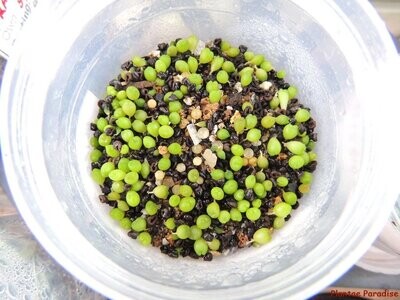
Cactus Seed Planting Mix
Sterile, Fine-Grain Media for Cactus & Succulent Seeds
SKU MNS005
₹74.85
Cactus & Succulent Planting Mix FINE (aka Cactus Soil Mix or Succulent Soil Mix)
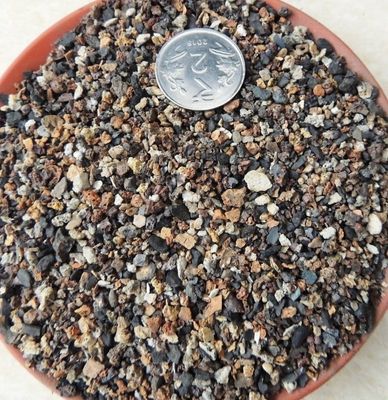
Cactus & Succulent Planting Mix FINE (aka Cactus Soil Mix or Succulent Soil Mix)
Fine-Grain Potting Mix for Cactus & Succulent Roots
SKU MNS001
5.0
(3)
₹39.85

FORTIFIED Cactus & Succulent SOIL (FINE)
FORTIFIED Cactus & Succulent SOIL (FINE)
SKU MNS002
5.0
(4)
₹49.85
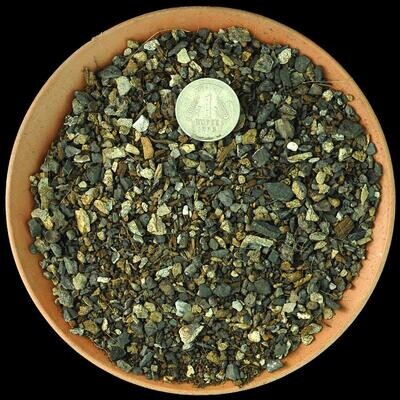
FORTIFIED Cactus & Succulent SOIL (COARSE)
FORTIFIED Cactus & Succulent SOIL (COARSE)
SKU MNS004
5.0
(11)
₹54.85
Display prices in:INR
